
Recycled Material Tote Bags for Green Businesses: The Complete Sourcing Guide
Discover how Australian businesses can source recycled material tote bags, from choosing the right materials to decoration methods and MOQs.

Written by
Blake Morrison
Bags & Totes
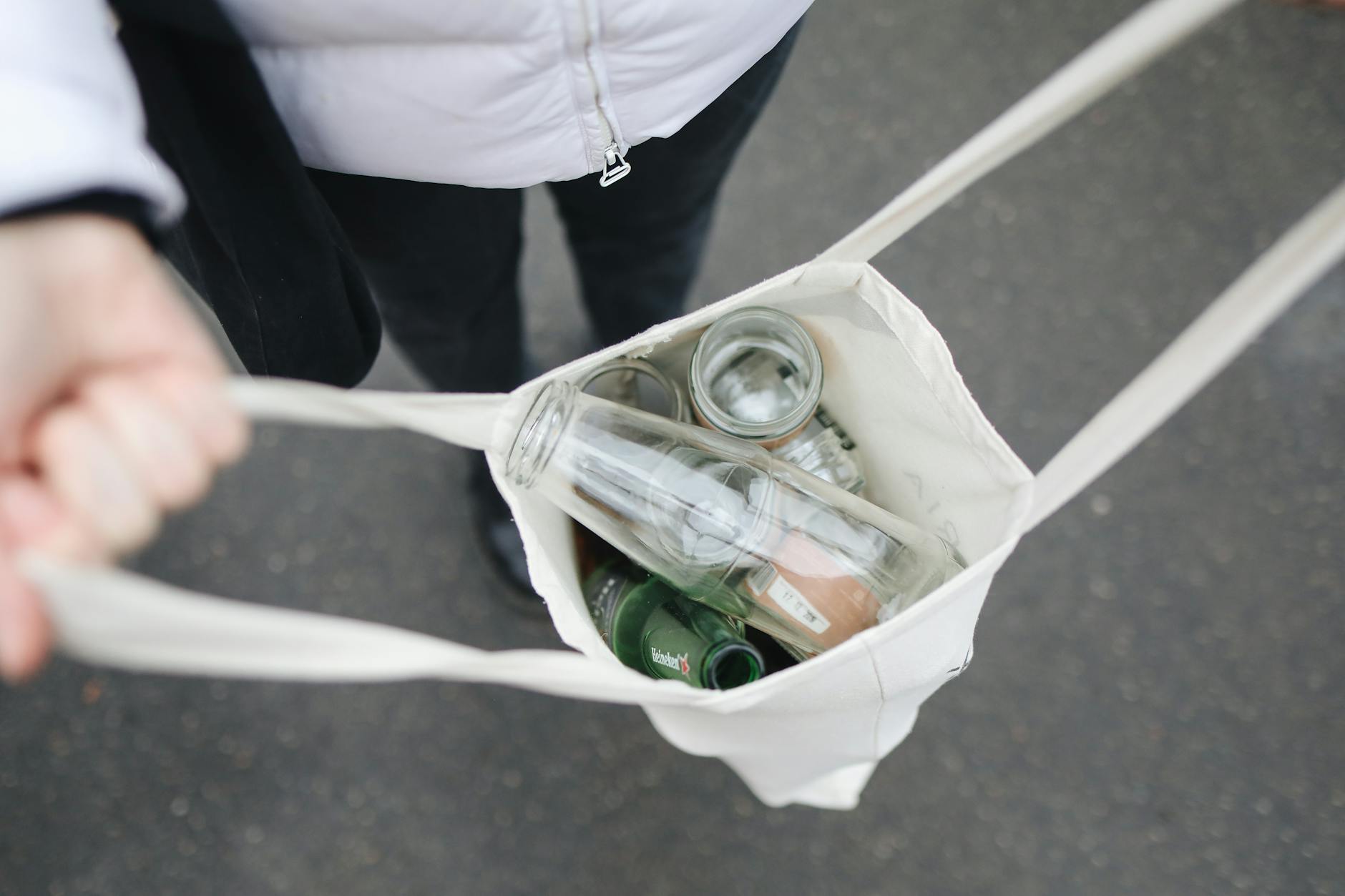
When customers walk out of your store, attend your event, or leave your conference carrying a tote bag, that bag becomes a walking advertisement for your brand. But in 2026, it’s not just about visibility — it’s about what your bag says about your values. For green businesses across Australia, recycled material tote bags have become one of the most powerful tools in the promotional merchandise mix. They communicate environmental commitment without saying a word, and they’re genuinely useful products that people hold onto. Whether you’re a reseller building out your sustainable product catalogue, a marketing agency advising a client on their next campaign, or a business looking to align your branded merchandise with your sustainability goals, this guide covers everything you need to know.
Why Recycled Material Tote Bags Matter for Green Businesses
The shift toward sustainable branded merchandise isn’t a passing trend — it’s a fundamental change in how Australian businesses think about their brand reputation. Consumers and clients are paying attention. A 2024 survey by Edelman found that more than 60% of Australian consumers actively consider a brand’s environmental credentials when making purchasing decisions. That expectation has now extended directly into promotional products.
Recycled material tote bags sit at the intersection of practicality and environmental responsibility. Unlike single-use plastic bags, a well-made recycled tote can be used hundreds of times, reducing landfill waste and resource consumption. When your brand logo is on that bag, every single use is an impression — in supermarkets, at the gym, on public transport from Sydney’s CBD to Melbourne’s inner suburbs.
For businesses that have committed to sustainability certifications, are working toward carbon neutrality, or simply want to back up their green messaging with tangible action, these bags are an obvious choice. And critically, they work across every sector — from a Brisbane health food retailer to a Perth council running a community sustainability campaign, to a Sydney marketing agency gifting clients at the end of the year.
It’s also worth understanding how recycled tote bags fit into a broader sustainable merchandise strategy. If you’re exploring this space, our guide to sustainable branded packaging for online retailers offers excellent context for how packaging and carry products can work together cohesively.
Understanding the Materials: What Makes a Tote Bag “Recycled”?
Not all recycled tote bags are created equal. The term “recycled” covers a wide range of materials and processes, and understanding the differences will help you make better sourcing decisions.
Recycled PET (rPET)
Recycled PET is made from post-consumer plastic bottles — typically PET bottles collected through kerbside recycling. The plastic is cleaned, shredded, melted, and spun into a polyester-like fibre that can then be woven into fabric. rPET bags are durable, water-resistant, and have a sleek, modern finish. They’re a popular choice for corporate clients across Adelaide, Canberra, and Melbourne who want a polished look without the environmental cost of virgin plastic.
From a marketing standpoint, rPET bags have an excellent storytelling angle — you can communicate that your tote was made from X number of recycled plastic bottles, which resonates strongly with eco-conscious consumers.
Recycled Cotton
Recycled cotton tote bags are made from pre- or post-consumer cotton waste — offcuts from garment factories, worn clothing, or manufacturing scraps. The result is a softer, more natural-feeling bag with a notably reduced water footprint compared to conventional cotton. For brands targeting a more organic, artisan aesthetic, recycled cotton is an ideal choice.
It’s worth noting that recycled cotton bags can sometimes have a slightly more textured, earthy appearance. For some brands, this adds to the appeal. For others, it’s worth requesting a physical sample before committing to a large order.
Jute and Natural Fibre Alternatives
While not strictly “recycled,” jute bags deserve a mention here because they’re often grouped with eco-friendly tote options. Jute is a rapidly renewable natural fibre with a low carbon footprint. Some suppliers offer jute bags made with recycled components or blended with recycled cotton. For businesses targeting a rustic, farmers-market-style aesthetic, jute can be the right call.
RPPS and Other Post-Consumer Plastics
Some innovative bag manufacturers now use recycled polypropylene (rPP) — similar to standard PP non-woven bags but made from post-consumer sources. These are more durable than standard non-woven bags and better suited to grocery and retail applications, making them an excellent option for those exploring the reusable supermarket bag space.
Decoration Methods for Recycled Tote Bags
Choosing the right decoration method matters both for visual quality and environmental consistency. If you’re sourcing recycled tote bags for a green business, it’s worth considering whether your decoration method aligns with your sustainability messaging.
Screen Printing
Screen printing is the most common and cost-effective method for tote bags with bold, simple designs. It works well on cotton and rPET fabrics and produces vibrant, long-lasting results. For large print runs of 100 units or more, screen printing offers excellent value. Keep in mind that each colour in your design typically incurs a separate setup fee — so simpler designs help keep costs down.
Digital Printing
Direct-to-garment (DTG) and digital transfer printing allow for full-colour, photographic-quality artwork without the setup costs of screen printing. This makes digital printing ideal for smaller runs, complex artwork, or orders where you need multiple design variations. It’s particularly popular for rPET bags where photo-realistic imagery is part of the campaign.
Embroidery
Embroidery offers a premium, textured finish that elevates the perceived value of the bag. It works best on thicker woven fabrics, including many recycled cotton totes. For corporate gifting — think year-end client gifts or conference swag — embroidery communicates quality. Our guide to winter branded gifts for clients explores how premium decoration finishes can strengthen gifting impact.
Sublimation
Sublimation printing works on polyester-based fabrics and is ideal for rPET totes. It allows for edge-to-edge, all-over prints with unlimited colour. If you’re interested in sublimation for other products, our overview of sublimation shirts explains the process in detail, which translates well to bags.
Ordering Considerations: MOQs, Turnaround, and Budgeting
Minimum Order Quantities
For recycled material tote bags, MOQs vary depending on the material and supplier. As a general rule:
- rPET bags: MOQs typically start at 100–250 units
- Recycled cotton totes: MOQs usually range from 50–150 units for simple designs
- Custom-shaped or fully bespoke bags: MOQs can be 300–500+ units
If you’re a reseller looking to aggregate orders from multiple clients, this is worth factoring into your pricing model. For smaller orders, some suppliers offer blank stock bags where you can apply decoration locally in smaller runs.
Turnaround Times
Standard turnaround in Australia for recycled tote bags is typically 2–4 weeks once artwork is approved. If your client is in Queensland running an event in three weeks, confirm stock availability before proceeding. Rush production is sometimes available for an additional fee, but eco-friendly products sourced from overseas can have longer lead times due to shipping and customs.
For events-based orders — such as promotional giveaways for networking events — build in at least a week’s buffer on top of the quoted turnaround to allow for proof approvals and any artwork revisions.
Budgeting
Recycled material tote bags do carry a small price premium over standard non-woven bags. As a rough guide in 2026:
- Basic rPET non-woven style bags: $3–$6 per unit at 250 units
- Recycled cotton totes with single colour print: $6–$12 per unit at 100 units
- Premium woven rPET bags with full colour print: $10–$18 per unit at 150 units
These figures shift significantly with volume, so always request tiered pricing. Setup fees for screen printing typically range from $50–$150 per colour, per position.
Choosing the Right Bag for Your Audience and Campaign
The best recycled tote bag for your brand depends on the context of use. Here’s how to think through it:
- Retail and grocery brands: Durable rPET or rPP bags with reinforced handles are ideal. Our page on reusable supermarket bags explores this segment in more detail.
- Corporate and professional services: Woven rPET totes or recycled cotton canvas bags with embroidery or a clean one-colour print look polished and intentional.
- Events and conferences: Lightweight, flat-pack rPET bags are cost-effective for large volume conference giveaways.
- Boutique and lifestyle brands: Recycled cotton totes with a hand-drawn print, raw edge finish, or natural tone palette will resonate with your audience.
- Government and councils: Sturdy, practical bags with clear sustainability credentials. Councils in Victoria have been early adopters here — if you’re working with government clients, our resource on promotional products suppliers in VIC is a useful reference.
Pairing tote bags with complementary eco products strengthens campaign impact. Consider bundling with a reusable water bottle or sustainable stationery. If you’re building out a full eco product suite, promotional notebooks in Melbourne and branded drinkware are natural companions.
Working With Suppliers: What to Ask Before You Order
When sourcing recycled material tote bags, ask these questions upfront:
- What certifications does the recycled material carry? Look for GRS (Global Recycled Standard) certification or equivalent.
- Can you provide a pre-production sample? Always worth the investment.
- What is the recycled content percentage? Some bags use a blend — confirm the actual recycled material proportion.
- What decoration methods are available, and which do you recommend for this fabric?
- Do you offer PMS colour matching for inks and thread?
If you’re navigating the broader supplier landscape in Australia, our guide to the promotions warehouse space offers useful context on how to evaluate and work with Australian promo product suppliers.
It’s also worth exploring how recycled tote bags fit into a wider sustainable product strategy. From eco-friendly tech gadgets to promotional items for specific sectors, understanding the full landscape helps you make smarter recommendations to clients. If you’re based in Canberra or advising government clients, our overview of promotional products in Canberra covers local supplier considerations.
Conclusion: Key Takeaways for Sourcing Recycled Material Tote Bags
Recycled material tote bags are one of the most versatile and impactful products in the eco promotional merchandise category. For green businesses, they represent a genuine alignment between brand messaging and product choice — and Australian audiences are increasingly responsive to that authenticity.
Here are the key things to remember:
- Know your materials: rPET, recycled cotton, and blended fibres each have different aesthetics, price points, and sustainability stories — choose the right one for your audience.
- Match your decoration method to your brand: Screen printing offers cost-efficiency at volume; embroidery and sublimation elevate perceived quality for premium applications.
- Factor in MOQs and lead times early: Especially for events and seasonal campaigns, build buffer time into your project timeline.
- Ask for certification: GRS-certified materials provide third-party verification of recycled content claims — important for brands making sustainability commitments publicly.
- Think holistically: Recycled tote bags work best as part of a broader eco merchandise strategy — pair them with complementary sustainable products for maximum campaign impact.
With the right sourcing approach, recycled material tote bags for green businesses are more than a promotional product — they’re a statement of intent that your customers and clients will carry with them, quite literally, for years.