
Sublimation Shirts Explained: A Complete Ordering Guide for Australian Businesses
Learn how sublimation shirts work, when to use them, and how to order them smart — a practical guide for Australian businesses and resellers.

Written by
Priya Kapoor
Branding & Customisation
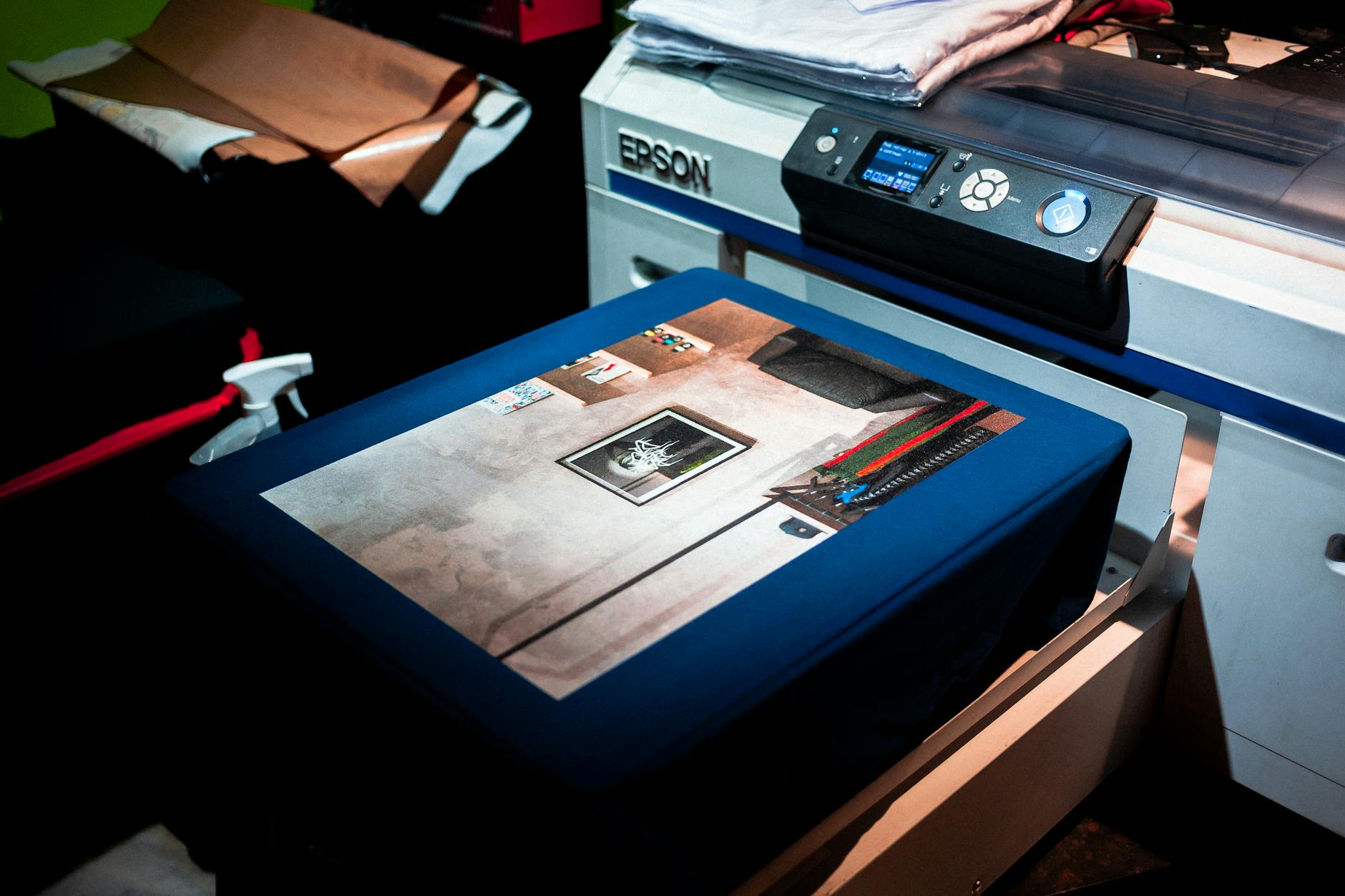
If you’ve ever received a promotional t-shirt where the design looked like it was literally part of the fabric — vivid, edge-to-edge colour with no cracking or fading — there’s a good chance it was produced using sublimation printing. Sublimation shirts have become one of the most sought-after options in the Australian branded merchandise space, and for good reason. Whether you’re a marketing agency sourcing event apparel for a Sydney client, a reseller looking to expand your product range, or a business building out a team uniform programme, understanding how sublimation works — and when it makes sense — is essential before you place an order. This guide covers everything you need to know.
What Are Sublimation Shirts and How Does the Process Work?
Sublimation printing is a heat-based decoration method that uses special dye inks and high pressure to permanently bond colour into the fibres of a garment, rather than sitting on top of the surface like traditional screen printing or heat transfer. The result is a print that won’t peel, crack, or wash away over time.
The process works like this: artwork is printed in reverse onto special transfer paper using sublimation inks. That paper is then pressed against the fabric at high temperatures — typically around 190–210°C — which causes the ink to turn into a gas and permeate the fabric fibres. When the temperature drops, the ink solidifies inside the fabric itself. It becomes part of the shirt.
This is why sublimation shirts can achieve such vibrant, photo-quality results with seamless colour transitions and gradients that other methods simply can’t replicate. It’s also why the process has specific requirements that any buyer or reseller needs to understand before committing to an order.
The Key Limitation: Fabric Type
The most important thing to know about sublimation is that it only works on polyester (or high-polyester-content blended fabrics) and, in most cases, light-coloured or white garments. On 100% cotton shirts, the ink has nothing to bond with and the result is poor — faded, dull, and inconsistent. On dark-coloured fabrics, the sublimated colours won’t show up accurately because the ink is transparent.
If your client wants full-colour, all-over printing on a cotton tee, sublimation isn’t the answer. If they’re flexible on fabric and need vibrant, durable results at scale, sublimation is hard to beat.
When Sublimation Shirts Are the Right Choice
Understanding when sublimation is the ideal decoration method helps you advise clients more effectively and avoid costly mistakes. It’s not always the right tool, but when the job fits the method, the results are exceptional.
All-Over Printing for Events and Activations
Sublimation truly shines when a brand wants full-coverage, all-over printing. Think bold, branded patterns, photographic backgrounds, or designs that wrap around the entire garment without borders. For a Melbourne marketing agency running a brand activation at a major festival, sublimation shirts allow the design to cover the entire front, back, sleeves, and even the collar area. That level of visual impact is simply not achievable with screen printing at a comparable cost.
This makes sublimation particularly popular for:
- Sports and fitness brands needing performance apparel with bold team branding
- Event organisers wanting standout uniforms for staff and volunteers
- Hospitality and retail businesses building a premium uniform look
- Trade shows and expos where visual distinction matters
If you’re planning event merchandise for exhibitions in Perth, sublimation shirts are worth serious consideration for your display team or promotional giveaways.
Minimum Order Quantities for Sublimation
One of the practical advantages of sublimation is that digital setup costs are generally lower than screen printing, which requires physical screens for each colour in the design. Because of this, sublimation can be viable at relatively small quantities — sometimes as low as 10–20 units for cut-and-sew garments, depending on the supplier.
That said, pricing per unit is typically higher at low quantities. If you’re ordering for a small team or a limited run event, expect to pay a premium. Bulk orders of 100+ units are where sublimation pricing becomes genuinely competitive, especially compared to multi-colour screen printing jobs with high setup fees.
Always confirm MOQs with your supplier early — some specialise in low-run digital sublimation, while others are set up for larger production runs.
Design Considerations for Sublimation Shirts
Getting sublimation right starts with the artwork. Unlike embroidery or pad printing, sublimation doesn’t involve limitations around thread colours or ink spot coverage. What you design is essentially what you get — which is liberating, but also means you need to get the file quality right.
Artwork Requirements
For sublimation, artwork must be supplied at high resolution — typically 150–300 DPI at print size. Because you’re often printing across an entire garment, files can be quite large. Vector files (AI, EPS, PDF) are preferable when possible, though high-resolution TIFF and PNG files can also work well.
Key things to check with your supplier:
- Colour management: Sublimation colours can shift slightly between screen and print. PMS colour matching is not always achievable, so discuss expectations upfront, especially for brand-critical colour accuracy.
- Bleed and seam allowances: For all-over prints, the design needs to account for seams, which interrupt the print area in cut-and-sew production.
- Proof approval: Always request a digital proof and, where possible, a physical sample before a full production run. This is especially important for first-time sublimation orders.
If you’re managing branded apparel projects alongside other customisation methods, it’s worth understanding how different techniques compare — our guide to UV printing for promotional products offers useful context on another digital print technique worth knowing.
Colour Accuracy and Fabric Interaction
Because sublimation ink is transparent, it takes on the colour of the base fabric. White or very light grey fabrics are essentially mandatory for accurate colour reproduction. Even a slightly off-white base can shift the look of pastels and light tones noticeably.
This is an important conversation to have with clients who want sublimation shirts for uniform purposes where brand colour accuracy is non-negotiable. It’s also worth noting that the polyester fabric used in sublimation garments often has a different hand-feel to cotton, which some end-users notice and have preferences about.
Working with Australian Suppliers: What to Ask
Finding the right sublimation shirt supplier in Australia involves more than just comparing price per unit. Turnaround times, production capabilities, and communication quality all matter significantly — particularly for resellers managing client expectations.
Key Questions for Supplier Conversations
When evaluating a sublimation shirt supplier, ask:
- What’s the turnaround time? Standard turnaround for sublimation shirts in Australia is typically 10–15 business days from artwork approval. Rush options may be available at additional cost.
- Do you print in-house or offshore? In-house Australian production generally offers more flexibility on timelines and artwork revisions.
- What garment brands do you work with? Sublimation is often done on white polyester blanks sourced from global manufacturers. Ask about fabric weight and quality.
- Can I order a sample? Sampling is especially important for sublimation, where fabric feel and colour output can vary between suppliers.
- What file formats do you accept? Confirm artwork requirements before sending files to avoid delays.
For resellers managing orders across multiple product types, it helps to understand payment terms and options for promotional product orders — particularly if you’re working with clients on larger, phased uniform rollouts.
Sublimation Shirts Compared to Other Decoration Methods
It’s worth briefly contextualising sublimation against the alternatives, since clients will often ask you to justify the recommendation.
- Screen printing is cost-effective for simple, spot-colour designs on cotton at high volumes, but struggles with gradients, photographic imagery, and multiple colours.
- Embroidery delivers a premium, textured finish ideal for corporate polos and caps — but is unsuitable for complex, photographic, or all-over designs. See our overview of embroidery services for promotional products in Sydney for more on when embroidery is the better fit.
- Heat transfer is flexible but can feel different on the fabric surface and may not last as long as sublimation under repeated washing.
- DTG (direct-to-garment) printing works on cotton and produces full-colour prints but typically at a higher per-unit cost and with different durability characteristics.
For most all-over, full-colour apparel projects on polyester, sublimation remains the gold standard.
Budget Planning for Sublimation Shirt Orders
Pricing for sublimation shirts varies based on garment quality, print coverage, order quantity, and supplier. As a general guide for the Australian market in 2026:
- Low-run orders (10–25 units): Expect to pay $25–$60 per unit depending on garment style and coverage.
- Mid-range orders (50–100 units): $18–$35 per unit is typical.
- Larger orders (200+ units): Pricing can drop to $12–$22 per unit for standard styles.
These are indicative ranges only — always request a formal quote. Setup fees for sublimation are generally lower than screen printing, since no physical screens are required.
If you’re a reseller building quotes for clients, factor in your margin alongside any shipping costs. Bulk apparel orders can be heavy and bulky, and freight from interstate suppliers can add meaningfully to landed costs. It’s also worth reading our broader guide to prime promotional products in Australia to understand how sublimation apparel fits within a full promotional product strategy.
For context on how broader trends are reshaping the way businesses order branded merchandise, our look at e-commerce trends for promotional product ordering is well worth a read, as sublimation is increasingly being offered through online ordering portals with live proofing tools.
You might also be sourcing other eco-conscious merchandise alongside apparel — organic cotton promotional items are a popular complementary option for sustainability-focused brands that want a cotton tee alongside sublimated event shirts.
Conclusion: Key Takeaways for Ordering Sublimation Shirts in Australia
Sublimation shirts offer something genuinely different in the branded apparel space — photo-quality, all-over prints that are durable, vibrant, and built to last. But they’re not the right tool for every job. Here’s what to remember as you advise clients or plan your next order:
- Sublimation only works on white or light-coloured polyester fabrics — confirm fabric and colour requirements with clients early in the conversation to avoid surprises.
- Artwork quality is critical — supply high-resolution files, request digital proofs, and always sample before a full production run where possible.
- MOQs and pricing are more flexible than screen printing at lower quantities, but unit costs come down significantly at 100+ units, so bulk orders are where sublimation delivers the best value.
- Turnaround times are typically 10–15 business days in Australia — plan accordingly, especially for event deadlines.
- Sublimation excels at all-over, full-colour designs — if the client needs a simple logo on a cotton tee, screen printing or embroidery may be a better fit overall.
Done right, sublimation shirts are one of the most visually striking options in the promotional products toolkit. Understanding the method, the requirements, and the supplier landscape puts you in a much stronger position to deliver excellent outcomes for your clients — every time.