
How to Get Your Logo on Merchandise That Actually Represents Your Brand
Learn how to put your logo on merchandise effectively — from decoration methods to product selection and ordering tips for Australian businesses.

Written by
Priya Kapoor
Branding & Customisation
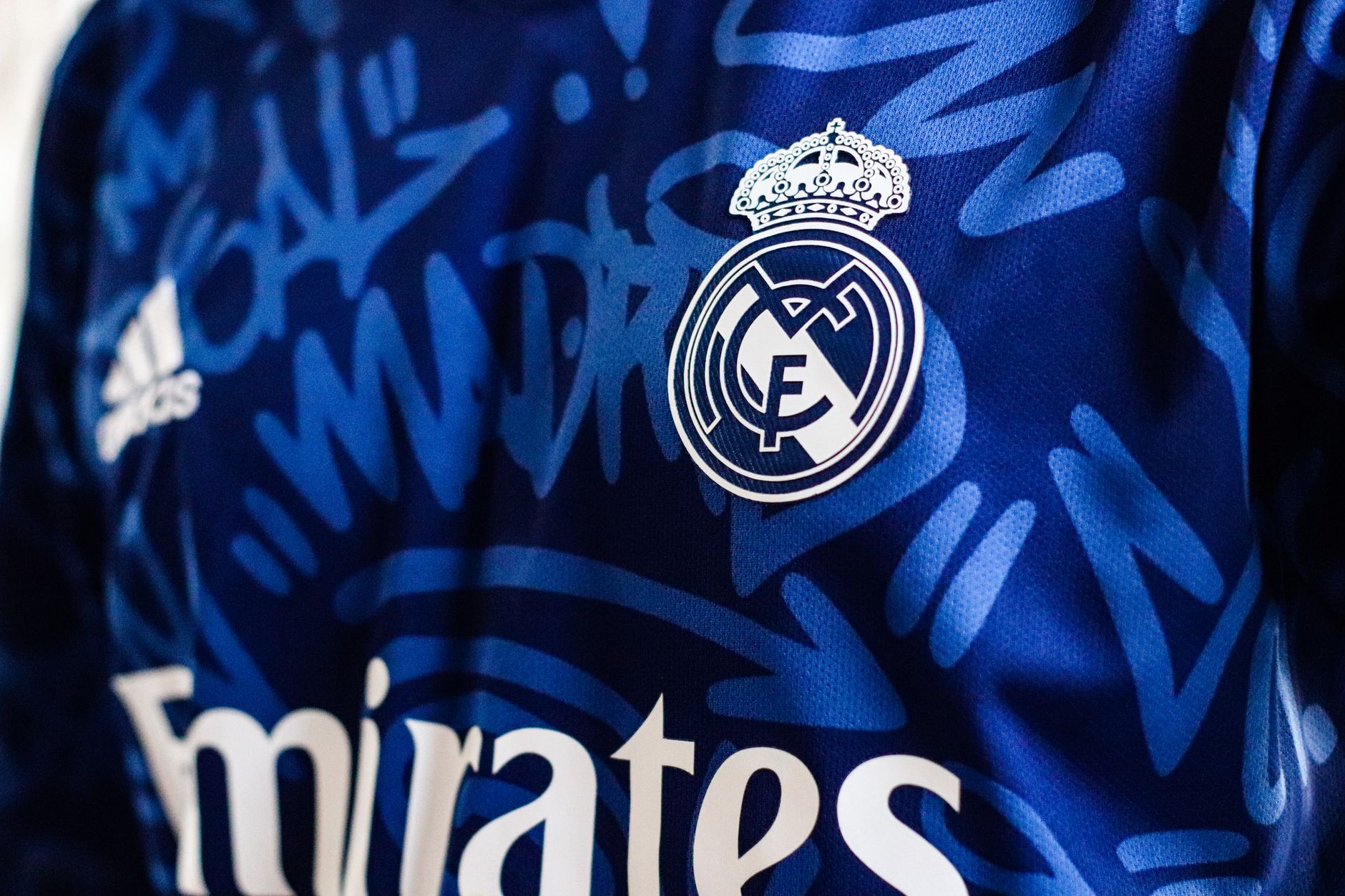
Getting your logo on merchandise sounds straightforward — pick a product, slap on a logo, done. But anyone who’s ordered branded merchandise for a business, marketing campaign, or client project knows the reality is a bit more nuanced. The product you choose, the decoration method you use, the colours you select, and even the file format of your artwork can all determine whether your branded merchandise looks premium and professional or ends up in a desk drawer after day one. Whether you’re a marketing agency sourcing branded gifts for a client, a business owner ordering your first batch of custom merch, or a reseller building a merchandise catalogue, this guide covers everything you need to know about placing your logo on merchandise effectively.
Why Getting Your Logo on Merchandise Matters More Than You Think
Branded merchandise isn’t just a novelty. It’s a tangible, lasting extension of your brand identity. Unlike a digital ad that disappears after a few seconds, a well-branded water bottle or quality polo shirt can stay in circulation — and in front of eyes — for months or even years. Research consistently shows that promotional products generate strong brand recall, with recipients often remembering the brand associated with a useful, quality item long after receiving it.
But here’s the catch: poorly executed branding can actually damage your brand perception. A pixelated logo embroidered onto a cap, or a faded print on a cheap tote bag, sends the wrong message. The product and the decoration method need to work together to represent your brand with the same care and attention you’d apply to your digital marketing or packaging.
For businesses across Sydney, Melbourne, Brisbane, Perth, and beyond, the standards for branded merchandise have risen considerably. Clients and customers expect well-made products with crisp, accurate branding. Getting this right starts with understanding your options.
Choosing the Right Decoration Method for Your Logo
One of the most important decisions when placing your logo on merchandise is choosing the right decoration method. Each technique has its strengths, and what works brilliantly on a polo shirt might be entirely unsuitable for a glass mug or metal pen.
Screen Printing
Screen printing is one of the most widely used decoration methods in Australia, particularly for apparel. It produces sharp, vibrant results and is cost-effective at scale. It works best for designs with solid colours and clear lines. If your logo has gradients or fine photographic detail, this may not be the ideal approach.
Screen printing is ideal for: t-shirts, tote bags, caps, and other flat fabric items. Minimum order quantities typically start around 50 units, making it accessible for most campaigns.
Embroidery
Embroidery gives branded apparel a premium, textured finish that’s hard to beat. It’s particularly well-suited for polo shirts with logos and workwear, where durability is important. Embroidery holds up well to repeated washing and presents a professional, polished look — exactly what you want for corporate gifting or staff uniforms.
The trade-off is that highly detailed logos with thin lines or very small text can lose definition when converted to a stitch file. It’s worth reviewing your logo complexity before committing to embroidery across a large order.
Laser Engraving
Laser engraving is the go-to method for hard goods — metal drink bottles, pens, keyrings, and awards. It permanently etches your logo into the surface, producing a clean, precise finish that won’t fade or peel. For branded drinkware and premium corporate gifts, laser engraving communicates quality and longevity.
Check out how logos are applied to drinkware like personalised drink bottles to understand why this method is so popular for this product category.
Pad Printing
Pad printing is commonly used for smaller items where other methods aren’t practical — think personalised pens, USB chargers, or small tech accessories. It transfers ink from a silicone pad onto the product surface, making it suitable for curved or irregular shapes.
Sublimation and Digital Printing
Sublimation allows full-colour, all-over printing by infusing dye directly into the material. It’s perfect for polyester garments, phone accessories, and custom mugs. If you’re printing on a mug and want a photographic-quality image or a complex multicolour design, sublimation delivers outstanding results.
Digital printing, meanwhile, is increasingly used for short-run jobs and complex artwork where screen printing setup costs would be prohibitive.
Selecting the Right Products for Your Logo
Decoration method aside, the products you choose matter enormously. Not every item suits every brand or every audience. Here’s a practical framework for matching your logo merchandise to your goals.
Corporate Gifting and Client Appreciation
For corporate gifting, premium products carry the message. A solar-powered power bank engraved with your logo, a quality men’s canvas jacket with embroidered branding, or a sleek notebook with debossed branding all communicate thoughtfulness and quality. When choosing corporate gifts, consider whether the item will be used daily — daily-use items maximise brand visibility long after the gift is received.
Trade Shows, Expos, and Events
Events call for budget-conscious, high-visibility items that are easy to distribute. Tote bag designs work brilliantly at trade shows because they’re immediately useful — attendees carry them around the event floor, creating a moving billboard for your brand. Branded magnetic fridge magnets are another excellent option: low-cost, long-lasting, and highly visible in the home or office.
For tech-savvy audiences at conferences in cities like Sydney or Melbourne, branded USB chargers and phone charger banks are perennial favourites that recipients genuinely value.
Staff and Team Uniforms
When branding extends to team uniforms, consistency is critical. Your logo placement, size, and colour must be uniform across different garment types and sizes. Polo t-shirt brands and structured workwear are among the most common categories for staff uniforms. Embroidery is generally preferred here for its durability and professional appearance. If your team includes outdoor workers or trades, consider men’s shirt brands with hi-vis options that also carry your branding.
Small Business and Startup Merchandise
For smaller organisations just getting started with branded merch, it’s worth exploring promotional items for small businesses to understand where to invest your budget wisely. A few well-chosen, high-quality items will outperform a large quantity of low-quality products every time.
Getting Your Logo Artwork Right
Your logo file quality will make or break the final result. Most professional merchandise decorators in Australia require vector files — typically in .AI, .EPS, or .PDF format — because these can be scaled to any size without losing quality. Sending a small JPEG extracted from a website will almost certainly result in a soft or pixelated print.
If you’re uncertain about your artwork, work with a designer or refer to a logo design guide before submitting your files. Key things to confirm:
- Colour specifications: Provide PMS (Pantone Matching System) colour codes where possible to ensure accurate colour matching across different products and production runs.
- Minimum size requirements: Small logos with fine detail may not reproduce well at certain sizes — your supplier can advise on minimum viable logo dimensions for each product.
- File format: Always provide vector files as a primary format.
- Artwork approval: Reputable suppliers will provide a digital proof (mockup) before going to production. Always review this carefully.
Practical Ordering Tips for Businesses and Resellers
If you’re ordering branded merchandise for a client or at scale as a reseller, these practical tips will help your projects run smoothly.
Understand MOQs early. Minimum order quantities vary significantly by product and decoration method. Screen-printed apparel typically starts at 50 units, while laser-engraved hard goods can sometimes be ordered in smaller runs. Always confirm MOQs before committing to a product.
Factor in lead times. Standard turnaround in Australia is typically 10–15 business days from artwork approval, though rush options are often available. For event-specific merchandise — say, a Brisbane product launch or an Adelaide conference — build in buffer time to account for artwork revisions and shipping.
Order samples where possible. For large or ongoing orders, requesting a pre-production sample is worth the additional cost. This is especially important for embroidered items, where the stitch quality and thread colour need to be confirmed before a bulk run.
Consider branded accessories that complement your core merch. If you’re ordering water bottle brands for a client, consider whether complementary items like protein shake shaker bottles or personalised photo frames could round out a gifting package.
Don’t overlook the smaller details. Items like magnetic name badges and photo frame magnets may seem minor but they add cohesion to a branded merchandise suite — particularly for events, office environments, or retail settings.
The Varsity Jacket Effect: When Merchandise Becomes Iconic
There’s a reason that certain branded products transcend their function and become genuinely coveted items. A well-designed varsity jacket with bold, quality branding isn’t just a piece of clothing — it’s something people want to wear because it looks great and feels exclusive. The most effective logo merchandise achieves exactly this: it makes the recipient feel good about wearing or using it, which means the brand travels further and lasts longer.
The lesson here is to invest in products that people will actually want to keep and use. Quality, usefulness, and design all feed into this, and your logo should feel like a natural part of the product — not an afterthought.
Conclusion: Key Takeaways for Getting Your Logo on Merchandise Right
Putting your logo on merchandise is one of the most effective and enduring forms of brand marketing available to Australian businesses. When done well, it builds brand recognition, strengthens client relationships, and creates genuine value for recipients. Here’s what to keep in mind:
- Match your decoration method to your product: Embroidery for apparel, laser engraving for hard goods, screen printing for high-volume flat items, and sublimation for full-colour or all-over designs.
- Artwork quality is non-negotiable: Always supply vector files with accurate PMS colour specifications to ensure consistent, professional results.
- Choose products your audience will actually use: Daily-use items like drinkware, bags, and tech accessories deliver the most ongoing brand exposure.
- Plan your project timeline carefully: Build in time for artwork approval, proofing, production, and delivery — particularly for event-based or campaign-specific orders.
- Think holistically about your merchandise suite: Complementary products ordered together create a cohesive brand experience that resonates with recipients far more than a single standalone item.
Getting your logo on merchandise is an investment in your brand’s visibility and longevity. With the right products, the right decoration methods, and the right planning, that investment will pay dividends well beyond the initial order.