
Reusable Supermarket Bags as Branded Merchandise: A Complete Sourcing Guide for Australian Businesses
Discover how to source branded reusable supermarket bags in Australia — tips on suppliers, MOQs, decoration methods, and maximising ROI.

Written by
Blake Morrison
Bags & Totes
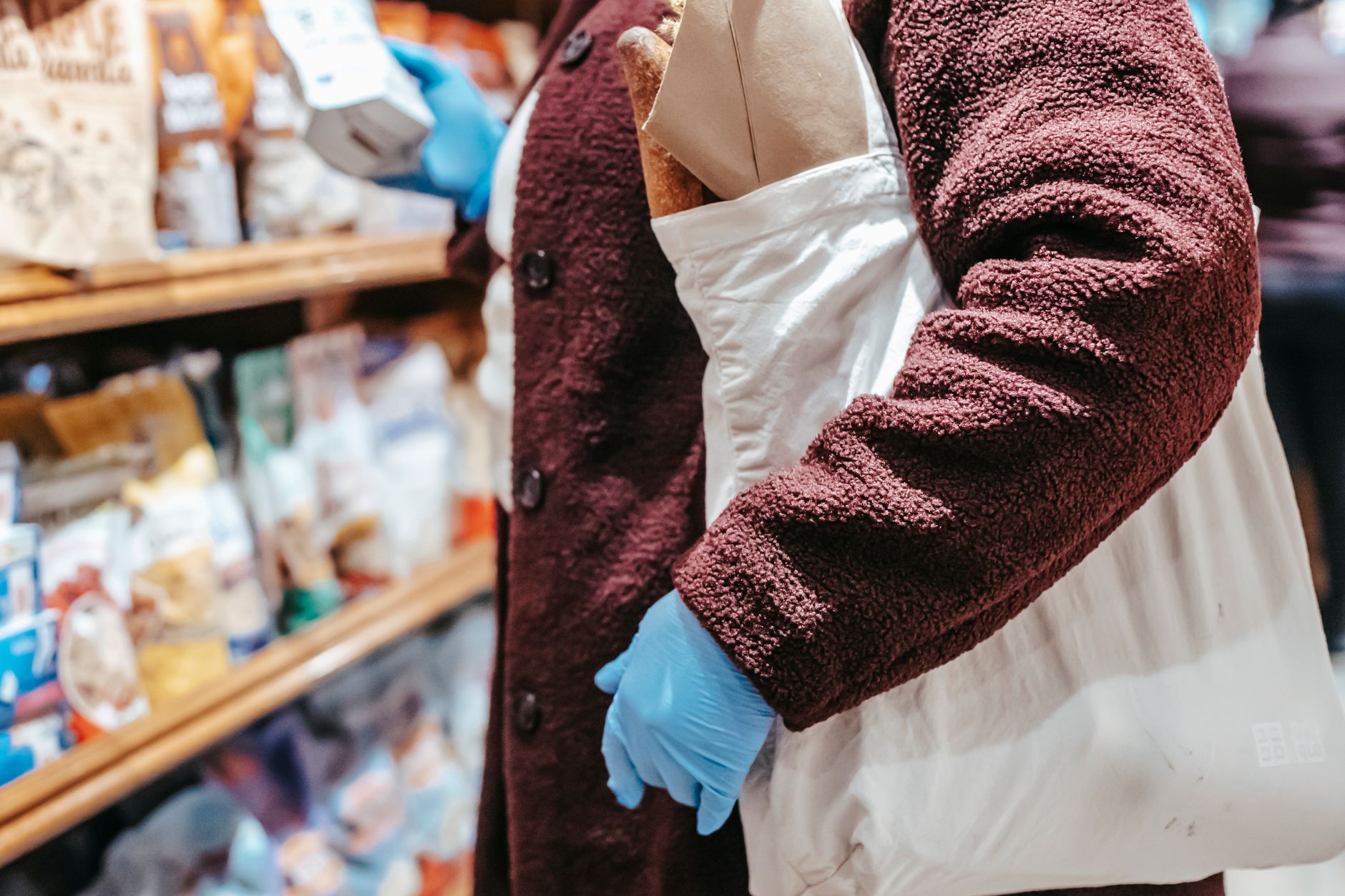
Every time a customer carries your branded reusable supermarket bag through the checkout at Woolworths or down the aisles at a local farmers’ market, your logo gets seen by dozens of people. That’s not accidental advertising — it’s a walking billboard that costs a fraction of traditional media, and it lands in one of the most everyday, high-visibility settings imaginable. For Australian businesses, marketing agencies, and resellers looking to maximise promotional product impact, the reusable supermarket bag has quietly become one of the most powerful branded items in the game. But sourcing them well — with the right materials, decoration, and supplier terms — requires a bit of know-how. This guide breaks it all down.
Why the Reusable Supermarket Bag Has Become a Promotional Staple
The phasing out of single-use plastic bags across Australian states and territories fundamentally changed shopping behaviour. Since major supermarket chains made the switch and state governments followed with legislation — South Australia being among the earliest movers — reusable bags have gone from novelty to necessity. That shift created a genuine promotional opportunity.
Unlike a branded pen that sits in a drawer or a lanyard that gets tossed after a conference, a reusable supermarket bag gets used. Multiple times a week, in public, by real people. A Sydney household might use the same tote 200 or more times over its lifetime. That kind of repeat exposure at grocery stores, weekend markets, and school canteen pick-ups is genuinely hard to match with other promotional items.
For businesses thinking about what merch actually is and how it works, reusable bags represent one of the most tangible examples of a product that serves a real function while simultaneously doing promotional heavy lifting.
Who Orders Branded Reusable Supermarket Bags?
The range of organisations sourcing these bags in Australia is broad:
- Supermarkets and food retailers running loyalty campaigns or store openings
- Real estate agencies in Melbourne and Brisbane distributing welcome packs to new neighbourhoods
- Councils and local government across Perth and Adelaide promoting sustainability initiatives
- Charities and not-for-profits running fundraising campaigns or awareness drives
- Schools in Queensland and New South Wales used for excursions, fetes, and community events
- Corporate businesses sourcing bags as part of new employee onboarding kits or client gifting
- Marketing agencies managing promotional campaigns on behalf of FMCG brands
The versatility of the format is a large part of its appeal. If you’re a reseller, having a solid handle on the supplier landscape for these products opens doors across nearly every client sector.
Understanding Materials and Product Options for Reusable Supermarket Bags
Not all reusable bags are created equal, and the material you choose will significantly affect print quality, durability, cost, and how eco-conscious your end client’s customers perceive the product to be.
Non-Woven Polypropylene (NWPP)
This is the most common material you’ll encounter at the budget end of the market. NWPP bags are lightweight, water-resistant, and take pad printing well. They’re best suited to high-volume, lower-cost campaigns — think trade show giveaways or large-scale community distributions where budget is the primary constraint. Minimum order quantities (MOQs) for NWPP bags often start around 100–500 units depending on the supplier, and per-unit costs can drop dramatically at higher volumes.
The downside? NWPP isn’t biodegradable, and more environmentally aware end clients may push back on it. If sustainability is part of the brief, look elsewhere.
Cotton and Organic Cotton
Natural cotton bags, and especially organic cotton promotional items, have seen strong growth in demand among eco-conscious brands. They’re soft, durable, machine-washable, and hold up brilliantly to screen printing and heat transfer decoration. An organic cotton reusable supermarket bag communicates genuine environmental commitment rather than tokenism.
Standard cotton canvas bags typically come in 5 oz to 12 oz weights. Heavier weights feel more premium and are better suited to carrying a full grocery load without straining at the seams. MOQs for printed cotton bags generally start around 50–100 units, making them accessible even for smaller campaigns.
Recycled Materials (RPET and Recycled Cotton)
RPET (recycled polyester made from plastic bottles) is gaining traction as a credible eco-alternative. Recycled cotton blends are also increasingly available from Australian promotional product suppliers. For businesses building out sustainable branded packaging for online retailers or running a broader green campaign, pairing recycled material bags with other eco-certified products can create a cohesive sustainability story.
Jute and Hessian
Jute bags carry a distinctly artisan, market-fresh aesthetic. They’re popular with food brands, health-food retailers, and farmers’ market operators. The natural fibre look and feel aligns well with organic and wholefood positioning. Jute takes screen printing and heat transfer well, though the textured surface means intricate fine-line artwork can be trickier to execute cleanly.
Decoration Methods: Getting Your Logo Right on a Reusable Supermarket Bag
The decoration method you choose will affect how the finished product looks, how durable the print is, and ultimately how much it costs.
Screen printing remains the workhorse for high-volume cotton and NWPP bags. It delivers vibrant, durable colour at scale and is cost-effective once you’re past the initial setup fees. For designs with one to four spot colours, screen printing is usually the most economical choice. PMS colour matching is standard, which is important for brands with strict colour guidelines.
Heat transfer is well-suited to full-colour, photographic, or highly detailed artwork. It works across most bag materials and has lower setup costs than screen printing, which makes it attractive for shorter runs or designs with gradients and complex imagery.
Embroidery is less common on shopping bags but works beautifully on heavier canvas or cotton bags, particularly for premium gifting applications. It adds a tactile, quality feel that stands out from printed alternatives.
Digital printing (direct-to-garment or direct-to-fabric) allows for short runs with no minimum quantities in some cases, and is ideal for prototyping or very small bespoke orders. It’s worth discussing with suppliers whether this option is available for the specific material you’re working with.
For a broader look at decoration methods across fabric-based promotional items, our guide to printable tote bags covers the key considerations in detail.
Sourcing Reusable Supermarket Bags: What Australian Resellers and Businesses Need to Know
Finding a reliable supplier is where many buyers get unstuck. Here’s what to focus on when evaluating your options.
MOQs, Lead Times, and Pricing Tiers
Typical MOQs for branded reusable supermarket bags in Australia sit between 50 and 500 units depending on the supplier and material. Some offshore-manufactured products (particularly those imported from China and stored in Australian distribution centres) have lower per-unit costs but longer lead times — often four to six weeks from proof approval. Locally stocked products or domestically produced items can turnaround in as little as five to ten business days for standard orders.
Budget range varies significantly. NWPP bags at volume can come in under $2 per unit. Mid-range cotton options typically sit in the $3–$8 range. Premium recycled or organic cotton bags with full-colour decoration can run $10–$20 or more per unit at smaller quantities. Always factor in setup fees, which typically range from $50–$150 per colour for screen printing.
Understanding your payment terms and options for promotional product orders before committing to a large order is essential, especially if you’re a reseller managing client budgets and cash flow.
Artwork and Proof Approval
Suppliers will generally require vector artwork (AI, EPS, or print-ready PDF) for screen printing and embroidery. Digital printing can often accommodate high-resolution raster files. Always request a physical or digital proof before approving production, and confirm pantone colours if brand accuracy is critical. Most reputable suppliers include a digital proof in the process; physical samples are often available at a cost, sometimes credited back against the final order.
Packaging and Presentation
For resellers putting together premium branded packs — perhaps alongside a reusable water bottle or other sustainable items — consider how the bags are packaged for delivery. Polybag individual items for protection during shipping, or ask about bulk folded packing if the end client is distributing at an event.
Pairing Reusable Supermarket Bags with Complementary Promotional Products
One of the smartest ways to maximise the value of a reusable supermarket bag campaign is to pair it with other items that reinforce the same message or use case.
For a sustainability-themed campaign, consider bundling with bamboo utensils, beeswax wraps, or promotional honey for corporate gifts — all items that reinforce a wholesome, eco-conscious brand identity. For a broader gifting campaign around the new year, take inspiration from our ideas on new year corporate giveaways in Australia. Or if the bag is destined for an event context, check out how other organisers think about promotional giveaways for networking events in Australia.
Resellers who understand the full suite of prime promotional products in Australia are best placed to offer clients a cohesive merchandise strategy rather than a one-off order.
Practical Tips for Ordering Branded Reusable Supermarket Bags
Before you lock in an order, work through this checklist:
- Confirm the material is fit for purpose. A lightweight NWPP bag won’t cut it if the end customer needs to carry 10 kg of groceries. Test the load capacity.
- Check stitching and handle length. Handles that are too short can’t be slung over a shoulder comfortably. Most shoppers prefer over-the-shoulder carry.
- Request samples before large runs. Even a pre-production sample of the material and an existing decorated item from the supplier can tell you a lot about quality.
- Plan for artwork limitations. Textured materials like jute or hessian will affect fine-detail print quality — simplify your artwork if needed.
- Consider the long game. A bag that lasts years of weekly use gives you far more impressions than one that falls apart after a few washes.
- Think about storage and logistics. Large flat bags in bulk can be awkward to store and ship. Confirm packaging dimensions with your supplier before delivery.
Conclusion: Key Takeaways for Sourcing Branded Reusable Supermarket Bags in Australia
The reusable supermarket bag sits in a sweet spot for Australian businesses and resellers: it’s practical, sustainable, highly visible, and accessible across a wide budget range. When sourced and decorated well, it’s one of the best-performing promotional products available.
Here are the key points to carry with you:
- Material choice matters most. Align the bag material to the client’s sustainability values, usage requirements, and budget — there’s no one-size-fits-all option.
- Screen printing offers the best value for volume orders, but digital printing and heat transfer open up smaller, more flexible runs for niche campaigns.
- MOQs and lead times vary widely — factor these into project timelines, especially for seasonal or event-driven campaigns.
- Pair your bag with complementary products to create a more impactful branded gift or campaign toolkit.
- Always request proofs and samples before committing to large production runs, and build proof approval time into your project schedule.
Done right, a branded reusable supermarket bag isn’t just a bag — it’s a daily touchpoint between your brand and your customer’s life.