
Sustainable Branded Packaging for Online Retailers: The Complete Australian Guide
Discover how Australian online retailers can use sustainable branded packaging to reduce waste, impress customers, and strengthen brand identity.

Written by
Tessa Nordberg
Eco & Sustainable Products
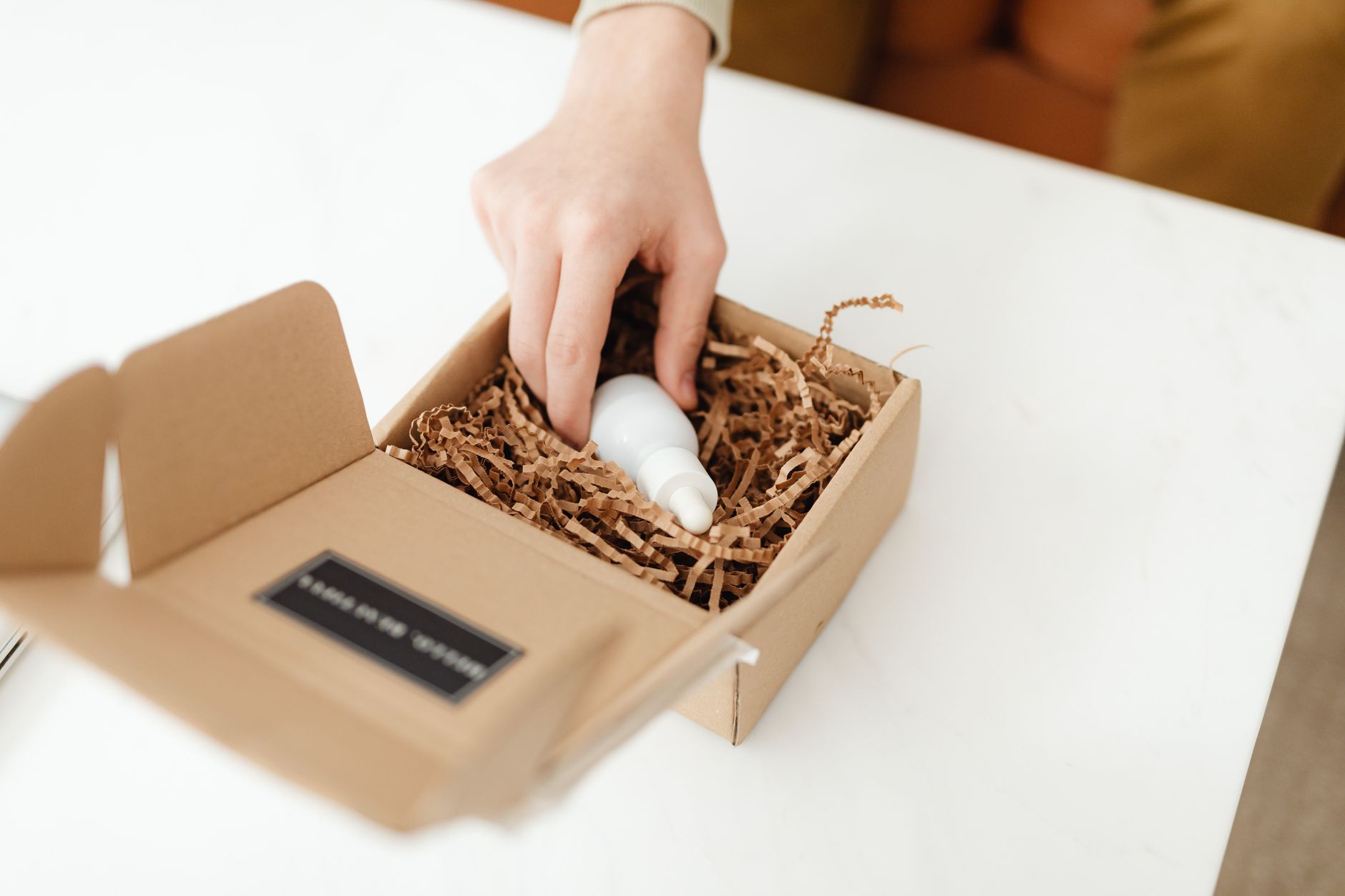
For Australian online retailers, the unboxing moment is no longer just about getting a product safely from warehouse to doorstep — it’s become a powerful brand touchpoint that customers photograph, share, and talk about. But with growing consumer pressure around environmental responsibility, the packaging you choose says just as much about your values as your products do. Sustainable branded packaging for online retailers has shifted from a niche consideration to a genuine business priority, and for good reason. Shoppers across Sydney, Melbourne, Brisbane, and beyond are actively choosing brands that demonstrate a commitment to reducing waste. If you’re a retailer, reseller, or marketing agency sourcing branded packaging solutions in 2026, this guide covers everything you need to know to make informed, environmentally sound decisions.
Why Sustainable Branded Packaging Matters for Online Retailers
The e-commerce boom in Australia shows no signs of slowing. With more orders shipped daily than ever before, the cumulative impact of packaging waste has become impossible to ignore. Single-use plastics, non-recyclable foam inserts, and oversized cardboard boxes are under increasing scrutiny — not just from regulators, but from consumers themselves.
Recent sentiment research consistently shows that a significant proportion of Australian online shoppers are willing to pay a premium for sustainable packaging. More importantly, sustainable unboxing experiences drive social sharing and positive reviews — two outcomes that any e-commerce brand should be actively pursuing.
For marketing agencies advising retail clients, and for resellers supplying branded merchandise solutions, understanding how to position eco-packaging as both a responsible and commercially smart choice is essential. The latest e-commerce trends for promotional product ordering reflect a clear movement toward greener supply chains at every touchpoint, and packaging is front and centre of that shift.
Beyond customer perception, there are also practical considerations around compliance. Several Australian states and territories have introduced or are considering extended producer responsibility (EPR) schemes that place greater accountability on businesses for the end-of-life outcomes of their packaging materials.
Understanding the Materials Available
Choosing the right sustainable packaging material is the first and most important decision for any online retailer. There’s no single “best” option — the right choice depends on your product category, average order size, shipping method, and brand positioning.
Recycled and Recyclable Cardboard
Recycled cardboard is arguably the most accessible entry point into sustainable packaging. It’s widely available, accepted in most Australian kerbside recycling programs, cost-effective at scale, and compatible with a broad range of printing and branding methods. For branded mailer boxes, shipper cartons, and product inserts, recycled cardboard ticks most boxes.
A key distinction to understand: “recycled content” refers to how much post-consumer or post-industrial material was used in production, while “recyclable” tells you what happens at end of life. Ideally, your packaging should score well on both fronts.
Compostable and Biodegradable Packaging
Compostable mailers and tissue paper are gaining popularity with lifestyle, beauty, and food-adjacent brands. These materials break down in home or industrial composting conditions, leaving no harmful residue. The appeal is obvious, but there are caveats. Many compostable materials require specific conditions to break down effectively, and Australian consumer awareness of proper disposal is still developing.
For retailers selling products like promotional fruit boxes for seasonal promotions or promotional honey for corporate gifting, compostable packaging can be a natural and authentic extension of an already sustainability-conscious product selection.
Recycled and Reusable Inserts
Void fill is one of the most wasteful elements of e-commerce packaging. Replacing polystyrene peanuts and single-use bubble wrap with shredded recycled paper, honeycomb kraft paper, or moulded pulp inserts significantly reduces your environmental footprint. Some brands are even designing their packaging so that the insert itself becomes a reusable product — a branded tote bag used as the inner wrap, for instance.
Speaking of which, reusable fabric bags as packaging components pair beautifully with the growing interest in organic cotton promotional items for sustainability-focused companies, offering a dual-purpose solution that customers genuinely keep and use.
Kraft Paper and Paper-Based Alternatives
Unbleached kraft paper is a versatile option for wrapping, inner packaging, and custom tissue. It has a natural, artisan aesthetic that works particularly well for premium gifting and boutique retail brands. It’s also widely recyclable and often produced from sustainably managed forests with FSC certification.
Decoration Methods for Sustainable Branded Packaging
Branding your packaging sustainably isn’t just about the substrate — it’s also about how you apply your logo, colours, and messaging.
Water-Based and Soy-Based Inks
Traditional solvent-based inks can introduce harmful volatile organic compounds (VOCs) into the production process. Switching to water-based or soy-based inks maintains vibrant print quality while significantly reducing environmental impact. Most quality Australian packaging suppliers now offer these as standard options.
Embossing and Debossing
For premium mailer boxes, rigid gift boxes, and presentation packaging, embossing or debossing creates a tactile, high-end finish without requiring any inks at all. This is an excellent sustainable branding choice when paired with uncoated natural cardboard or kraft materials. The technique is particularly popular with Melbourne-based fashion and lifestyle brands aiming for a premium unboxing experience.
UV Printing Considerations
UV printing is increasingly being applied to packaging in Australia, particularly for shorter run jobs and variable data applications. If you’re curious about how this technology fits into your packaging decisions, our detailed breakdown of how to choose UV printing for promotional products is worth exploring before briefing a supplier.
Minimising Decoration to Reduce Waste
Sometimes the most sustainable branding decision is restraint. Spot colour printing rather than full CMYK coverage, limiting branded elements to the box exterior only, and using stamp-style single-colour logos can all reduce ink usage without compromising brand recognition.
Practical Sourcing Considerations for Retailers and Resellers
Minimum Order Quantities and Lead Times
Sustainable packaging typically carries higher per-unit costs at low volumes, which makes minimum order quantities (MOQs) an important planning consideration. Most custom eco-packaging suppliers in Australia work with MOQs starting around 100–250 units for mailer boxes, rising to 500+ units for more complex configurations. Factoring in lead times of three to six weeks for custom orders, plus freight from interstate or international production facilities, means planning ahead is essential.
For agencies and resellers managing multiple clients, understanding payment terms and options for promotional product orders can help you structure client projects more effectively, especially when upfront tooling or setup costs are involved.
Artwork and Colour Matching
PMS colour matching is critical for brand consistency across sustainable packaging materials. Natural and uncoated substrates can affect how colours print, so it’s worth requesting physical samples and colour pull proofs before committing to a full production run. Brisbane and Sydney suppliers with local account managers can often facilitate faster proofing cycles than offshore alternatives.
Certifications to Look For
When assessing packaging suppliers, look for credible certifications including:
- FSC (Forest Stewardship Council) — confirms responsibly sourced wood pulp
- PEFC (Programme for the Endorsement of Forest Certification) — another recognised forestry certification
- ABA (Australasian Bioplastics Association) certification for compostable claims
- APCO membership — signals alignment with Australia’s National Packaging Targets
Don’t accept vague claims like “eco-friendly” or “green” at face value. Ask suppliers to provide documentation backing their environmental credentials.
Building a Cohesive Sustainable Brand Experience
Sustainable branded packaging for online retailers works best as part of a broader, cohesive brand experience rather than a standalone initiative. Think about what sits inside the box, not just what surrounds it.
If your brand is focused on corporate gifting, pairing eco-packaging with sustainable product choices makes a compelling statement. Custom wireless keyboards for corporate gifts presented in a kraft gift box with a recycled ribbon and a handwritten insert card, for instance, creates a memorable and values-aligned gifting moment. Similarly, if you’re supplying merchandise for conferences, events, or trade shows — Perth exhibitors take note — our guide to event merchandise for exhibitions covers how to extend sustainable thinking beyond packaging into the full merchandise selection.
For brands supplying sporting clubs, school fundraisers, or community organisations, the packaging choice also sends a message. Even something as playful as custom stubby holders can be presented in recycled tissue and a simple kraft sleeve to reinforce a brand’s environmental commitment.
Don’t overlook digital touchpoints either. QR codes printed on packaging (using minimal ink, naturally) can link customers to information about your sustainability commitments, recycling instructions, or loyalty programs — turning your packaging into an ongoing communication channel.
For resellers and agencies looking to stay ahead of the curve, keeping an eye on tech promotional gadget trends in Australia and new year corporate giveaway ideas can help you cross-reference what products your clients want with what sustainable packaging formats work best at different price points and for different audiences.
It’s also worth noting that sustainable packaging pairs naturally with other eco-conscious promotional choices. Clients who invest in promotional outdoor blankets for events or promotional yoga mats are already signalling a sustainability-conscious consumer base — meeting them with eco-packaging is simply joining the dots.
Conclusion: Key Takeaways for Sustainable Branded Packaging
Transitioning to sustainable branded packaging for online retailers is one of the most visible and impactful steps an Australian e-commerce brand can take in 2026. It signals genuine environmental commitment, enhances the unboxing experience, and increasingly meets both customer expectations and regulatory direction. Here’s what to carry away from this guide:
- Material choice matters most — prioritise recycled content, recyclability, and credible certifications like FSC and APCO-aligned targets over vague “green” claims
- Decoration methods have an environmental footprint too — opt for water-based inks, embossing, or minimal print coverage wherever possible
- Plan your MOQs and lead times carefully — sustainable packaging often requires longer planning horizons and benefits from larger order volumes to achieve competitive pricing
- Build a cohesive experience — align your packaging with the products inside and your broader brand story for maximum impact
- Ask for proof — always request supplier certifications, physical samples, and colour proofs before committing to full production runs
Whether you’re a direct retailer, a marketing agency advising e-commerce clients, or a reseller sourcing branded solutions for multiple brands, sustainable packaging is no longer optional — it’s an expectation. Start with the right materials, choose credible partners, and make sure every box you ship tells the story of a brand that genuinely cares.