
Custom Products for Business: The Complete Australian Buyer's Guide for 2026
Discover how to choose the best custom products for your business in Australia. Practical tips on products, decoration, budgeting, and suppliers.

Written by
Daniel Voss
Corporate Gifts
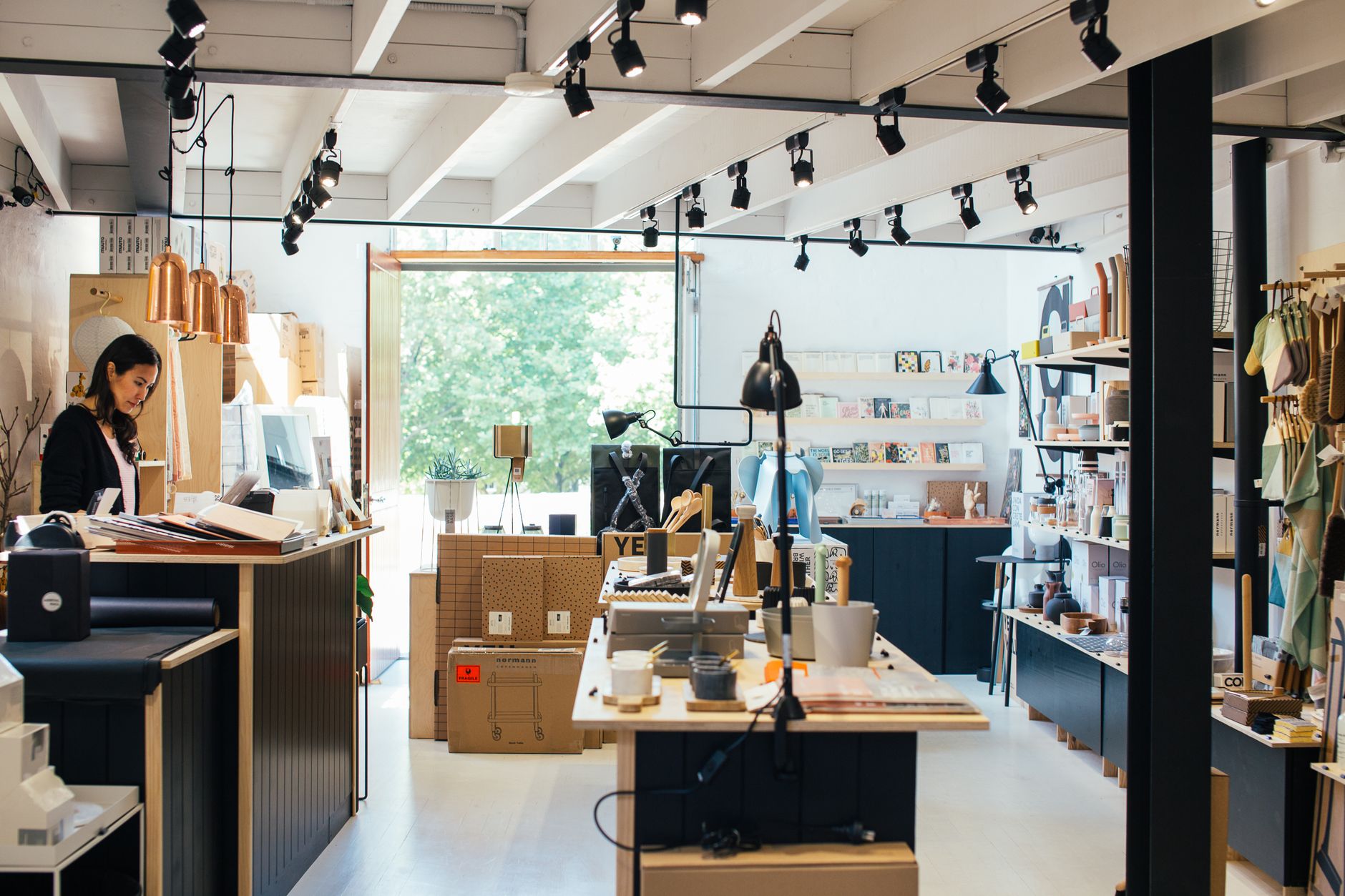
Choosing the right custom products for business can feel overwhelming — especially when you’re balancing brand guidelines, budget constraints, tight timelines, and the pressure to make a genuine impression. Whether you’re a marketing agency sourcing merchandise for a client launch in Sydney, a reseller building out your product catalogue, or a corporate team in Melbourne planning a staff appreciation campaign, the decisions you make around branded merchandise directly impact how your brand is perceived. Done well, custom products are one of the most cost-effective, long-lasting forms of marketing available. Done poorly, they end up forgotten at the bottom of a desk drawer. This guide walks you through everything you need to know to get it right.
Why Custom Products for Business Still Deliver Real Results
In a world saturated with digital advertising, physical branded items cut through the noise in a way that a banner ad simply cannot. A branded keep cup that someone uses every morning at the office creates dozens of impressions per week — often in front of colleagues, clients, or the public. A quality embroidered polo sitting in a tradie’s wardrobe can last years, carrying your logo into environments your social media budget could never reach.
Research consistently shows that recipients of promotional products have a more favourable impression of the brand that gave them something useful. The keyword here is useful. Australian businesses — whether based in Brisbane, Perth, or Hobart — are increasingly moving away from cheap, throwaway items and investing in products that people genuinely want to keep and use.
If you’re still trying to wrap your head around what branded merchandise actually encompasses, our overview of what merch is and how it works is a great starting point before diving into the specifics.
Understanding Your Options: Categories of Custom Business Products
One of the first decisions any buyer needs to make is which product category suits their campaign, event, or gifting purpose. The promotional products industry in Australia is enormously diverse, and narrowing down your options early saves significant time and money.
Apparel and Wearables
Custom apparel remains one of the most popular and highest-impact categories. T-shirts, polos, hoodies, caps, and hi-vis workwear all offer large branding real estate and high visibility. For businesses requiring staff uniforms or safety gear, branded workwear serves a dual purpose — meeting compliance requirements while keeping your brand front and centre. If you’re exploring printed apparel options, take a look at our guide to sublimation shirts and when to use them for a detailed breakdown of one of the most vibrant decoration methods available.
Bags and Totes
Bags are consistently among the top-performing promotional product categories in Australia. They travel everywhere — on public transport, to the supermarket, to school, and into offices — making them incredible brand ambassadors. Eco-conscious options like reusable totes are particularly popular with businesses looking to align their merchandise with sustainability values. Our resources on printable tote bags and reusable supermarket bags cover two of the most in-demand bag formats for branded campaigns.
Drinkware
Branded water bottles, keep cups, and insulated tumblers are perennial bestsellers — and for good reason. Australians are passionate about their coffee and hydration habits, which makes drinkware one of the most practical gifting choices across every sector. For businesses prioritising eco credentials, reusable water bottles are an excellent option that aligns function with environmental responsibility.
Tech Accessories and Gadgets
Power banks, USB drives, wireless chargers, and branded earbuds are high-perceived-value items that work particularly well as executive gifts, conference giveaways, or loyalty rewards. The category is evolving quickly — for the latest thinking on what’s trending, check out our roundup of tech promotional gadgets and trends in Australia.
Stationery and Office Products
Notebooks, pens, lanyards, and desk accessories remain staples of the corporate gifting world — and with good reason. They’re used daily, they’re budget-friendly, and they’re available in enormous variety. A well-designed branded notebook, for instance, can feel genuinely premium when paired with quality materials and thoughtful decoration. Our guide to promotional notebooks in Melbourne is worth a read if you’re planning a stationery-focused campaign.
Eco-Friendly and Sustainable Products
Sustainability is no longer a niche consideration — it’s an expectation, particularly among B2B clients and Gen Z and Millennial consumers. Bamboo products, recycled materials, seed paper, organic cotton, and compostable packaging are all gaining significant traction across Australian businesses. If your client operates in e-commerce or retail, our article on sustainable branded packaging for online retailers is directly relevant.
Lifestyle, Outdoor, and Wellness Products
The post-pandemic shift towards wellness and outdoor living has opened up exciting categories for branded merchandise. Custom yoga mats, outdoor blankets, and health-focused items resonate strongly with audiences who value an active lifestyle. Explore our guides to promotional yoga mats in Sydney and promotional outdoor blankets for stargazing events for inspiration in this space.
Choosing the Right Decoration Method
The decoration method you choose affects the final look, the minimum order quantity (MOQ), the unit cost, and the suitability for different product types. Here’s a quick overview of the most common methods:
- Screen printing – Best for flat surfaces like t-shirts and tote bags. Cost-effective at volume. Requires a separate screen per colour, so simpler designs keep costs down.
- Embroidery – Premium finish for caps, polos, and jackets. Durable and professional. Setup costs apply, but per-unit costs decrease with volume.
- Sublimation – Full-colour, all-over printing for polyester apparel and drinkware. Vivid, durable, and photo-quality. Limited to compatible materials.
- Laser engraving – Ideal for metal, bamboo, timber, and glass. Creates a permanent, elegant result. Frequently used for premium corporate gifts and awards.
- Pad printing – Suited to smaller items like pens, USB drives, and phone accessories. Precise and cost-effective for simple logos.
- Digital printing – Flexible, full-colour option for short runs and complex artwork. Higher per-unit cost than screen printing but no colour limitations.
Matching the right method to your product, artwork, and budget is one of the most important steps in any custom merchandise project.
Budgeting and Pricing: What to Expect
Pricing for custom products for business in Australia varies enormously depending on the product, quantity, decoration complexity, and turnaround time. Here are some general benchmarks to keep in mind:
- Branded pens: From around $0.80–$3.00 per unit at volume
- Custom tote bags: Typically $3.00–$8.00 depending on material and print
- Embroidered caps: Generally $10–$20 per unit for reasonable quantities
- Branded keep cups: Around $8–$18 per unit depending on style
- Custom notebooks: $5–$15 per unit depending on quality tier
- Power banks: $15–$35 per unit, with significant variation by capacity and brand
Most suppliers charge setup fees (often between $50–$150 per colour or element) for screen printing, embroidery, and pad printing. These fees are usually a one-off cost and don’t recur on reorders. Always request a visual proof before approving production — colour matching (PMS), placement, and sizing details can vary from what you imagine without a physical or digital sample.
Turnaround times in Australia typically range from 7–14 business days for standard production, with rush options available at a premium. For Canberra-based government teams or councils with procurement deadlines, planning well ahead is essential — our guide to promotional products in Canberra addresses some of the unique requirements of that market.
Matching Products to Business Goals
The most effective branded merchandise choices aren’t made by looking at what’s popular — they’re made by matching the product to a specific business objective.
- Trade shows and expos: Lightweight, portable, and budget-friendly giveaways work best. See our guide to promotional giveaways for networking events in Australia for proven performers.
- Client gifting and retention: Invest in premium, useful items. Winter branded gifts for clients is a great resource for seasonal corporate gifting strategy.
- Staff recognition and onboarding: Think wearables, desk accessories, and lifestyle products that make employees feel valued.
- Seasonal campaigns and promotions: Food and drink products can be highly effective. Explore our ideas on promotional honey for corporate gifts and promotional fruit boxes for Easter promotions.
- Events and activations: From sporting events to community festivals, the right merchandise elevates the experience. Our resources on promotional AFL footballs for clubs and even merchandise for pub crawls show how niche events benefit from tailored products.
If you’re managing a large-scale merchandise operation or sourcing for multiple clients, working with a reliable promotions warehouse supplier can streamline your operations significantly. Our overview of promotions warehouse sourcing covers what to look for when partnering with wholesale suppliers at scale.
Working with Suppliers: Key Questions to Ask
Before placing any order, ask your supplier these critical questions:
- What is the minimum order quantity (MOQ)?
- Are setup fees included in the quoted price, or charged separately?
- What are the artwork requirements (file format, colour mode, bleed areas)?
- Can I order a pre-production sample, and at what cost?
- What is the standard turnaround time, and are rush options available?
- How do you handle colour matching — do you use PMS codes?
- What is your policy if items arrive with quality defects?
A reputable supplier will answer these questions clearly and without hesitation. Transparency around pricing, timelines, and production processes is the hallmark of a professional merchandise operation.
Conclusion: Key Takeaways for Sourcing Custom Products for Business
Investing in custom products for business is one of the smartest brand-building moves an Australian organisation can make — provided those decisions are informed, strategic, and well-executed. Here’s what to keep in mind as you move forward:
- Match the product to the purpose — the best merchandise solves a real need for the recipient, whether that’s warmth, hydration, organisation, or convenience.
- Prioritise quality over quantity — a smaller order of genuinely useful, well-decorated items outperforms a large run of cheap, forgettable ones every time.
- Understand your decoration options — different methods suit different products, artwork styles, and budgets, so take the time to ask questions before committing.
- Plan ahead for turnaround times — particularly around peak periods like Christmas, EOFY, and major events, lead times blow out quickly across Australia.
- Work with transparent suppliers — a good supplier will guide you through the process, not rush you into a decision. Ask for proofs, check MOQs, and confirm setup fees upfront.
With the right approach and the right products, your next branded merchandise campaign has every chance of delivering genuine, measurable value for your business.