
How to Customize Bags for Your Brand: The Complete Australian Buyer's Guide
Learn how to customize bags for business, events & resellers in Australia. Covers styles, decoration methods, MOQs & budgeting tips.

Written by
Blake Morrison
Bags & Totes
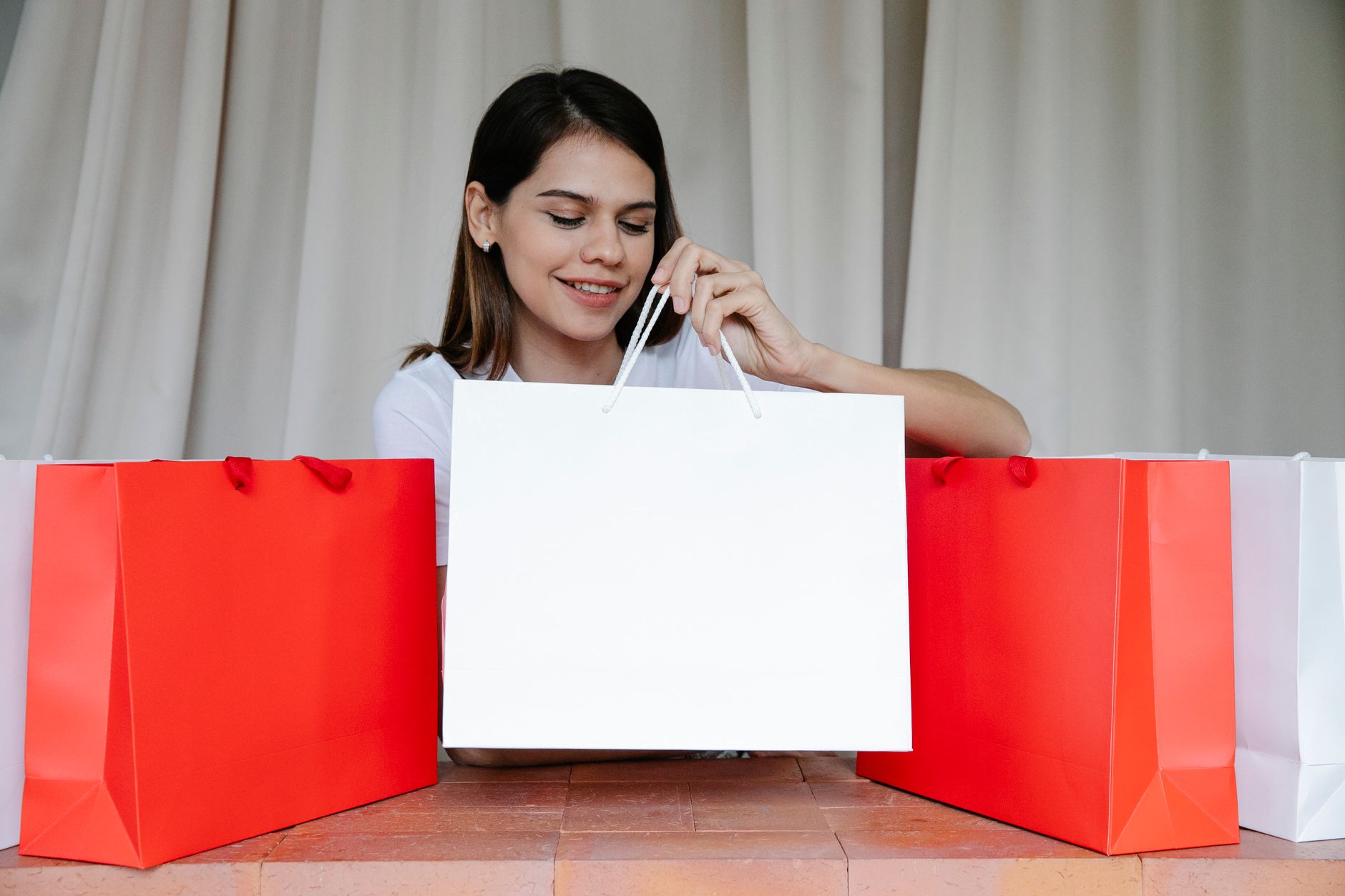
Choosing the right branded bag can be one of the smartest investments a business makes in its marketing arsenal. Whether you’re a marketing agency sourcing merchandise for a client’s product launch in Sydney, a corporate reseller building out a catalogue of premium gifts, or a small business owner looking to make a lasting impression at a Melbourne trade expo, the ability to customize bags opens up a world of opportunity. Done well, a branded bag puts your logo — or your client’s logo — into the hands of real people, in real environments, day after day. Done poorly, it ends up at the back of a cupboard. This guide walks you through everything you need to know to get it right.
Why Businesses Choose to Customize Bags
Bags are one of the most practical promotional products on the market, and their appeal spans virtually every industry sector. Unlike a branded pen that might sit in a drawer or a fridge magnet that blends into the background, a well-made custom bag travels. It goes to the gym, the farmers’ market, the office, the airport. Every outing is a branding moment.
For resellers and marketing agencies, bags also represent strong margin potential. They sit at a price point that allows for meaningful customisation without blowing a client’s budget, and they scale well — bulk pricing tiers typically kick in at 50, 100, or 250 units, making them accessible to small businesses and enterprises alike.
From a recipient’s perspective, bags genuinely get used. Research consistently shows that promotional bags generate more impressions per item than almost any other product category. That’s the kind of return on investment that’s hard to argue with.
Understanding the Main Types of Custom Bags
Before you can customize bags effectively, you need to understand which bag styles suit which use cases. The choice of bag type will influence everything — from the decoration method to the minimum order quantity and the overall budget.
Tote Bags
The tote bag is arguably the most popular promotional bag in Australia. They’re lightweight, affordable, and endlessly versatile. Cotton, canvas, jute, and non-woven polypropylene are the most common materials. Screen printing works beautifully on flat-faced totes, allowing for bold, high-colour designs that really pop. If your client is running a conference in Brisbane or a charity walkathon on the Gold Coast, a custom tote is almost always a safe and practical choice.
For a deeper look at design considerations specific to this style, our guide to tote bag design covers artwork setup, colour selection, and print placement in detail.
Cooler Bags and Insulated Totes
Perfect for outdoor events, real estate open homes, health brands, and food companies. Cooler bags are a premium option that recipients genuinely value. They’re commonly decorated with pad printing or heat transfer, and they tend to sit at a higher price point — which also makes them excellent corporate gift candidates.
Backpacks
Custom backpacks are a favourite for universities, TAFEs, school programs, and corporate onboarding kits. Embroidery is often preferred on structured backpacks because it delivers a premium, durable finish. If you’re building a welcome pack for new staff members at a Perth-based mining company or sourcing end-of-year gifts for a Canberra government department, a quality embroidered backpack signals care and investment.
Drawstring Bags
Fast, affordable, and easy to store, drawstring bags are popular for sporting clubs, school events, and health and wellness promotions. Screen printing is the go-to decoration method here. MOQs can be quite low — sometimes as few as 25 to 50 units — making them accessible for smaller orders.
Laptop Bags and Briefcases
A step up in both price and professionalism. Laptop bags are popular in the corporate sector and work well with embroidery, debossing (on leather or faux-leather panels), or subtle screen printing. They’re often included in premium gift packs for executives, conference delegates, or long-service award recipients.
Decoration Methods When You Customize Bags
The decoration method you choose will significantly affect the look, feel, durability, and cost of your finished bags. Here’s a quick breakdown of the most common options.
Screen Printing
Best for flat, smooth surfaces like tote bags and drawstring bags. Screen printing delivers vibrant colours at a cost-effective price point when ordering in volume. Each colour in your design requires a separate screen, so keep in mind that setup fees apply per colour. For designs with four or more colours, digital printing may become more cost-effective.
Embroidery
Preferred for structured bags, backpacks, and anything with a fabric panel where durability matters. Embroidery creates a premium, textured finish that holds up through heavy use and repeated washing. It does require digitising your artwork — a one-time setup cost — but the results are hard to beat for professional and corporate applications.
Heat Transfer and Sublimation
Heat transfer works well on polyester bags and synthetic materials where full-colour, photo-quality imagery is needed. Sublimation is similar but works best on 100% polyester fabrics, making it ideal for custom sports bags or branded gym accessories.
Pad Printing
Typically used on smaller, hard-surface areas of bags — like metal clips, buckles, or structured panels. Pad printing delivers precise, clean logo placement in one or two colours.
Laser Engraving
Less common on bags but used for premium leather or faux-leather accessories and laptop cases. Laser engraving removes material to reveal a contrast beneath, giving a high-end look without inks or dyes.
Key Considerations for Resellers and Marketing Agencies
If you’re sourcing custom bags on behalf of clients, there are a few additional layers to navigate compared to ordering for your own business.
Artwork and File Requirements
Most Australian suppliers will require vector artwork (typically AI or EPS format) for clean reproduction at any size. If your client only has a JPEG logo, factor in time for artwork redrawing — this can add one to three business days to your timeline. Always confirm resolution and colour mode (CMYK for print, PMS for colour-matched orders) before briefing the supplier.
Proofing and Approval
Never skip the proof stage. A digital proof should be reviewed carefully against brand guidelines before production commences. For high-volume orders or clients with strict brand standards, a physical sample or pre-production sample is worth the extra cost and turnaround time. Mistakes on 500 bags are far more expensive than a short delay at the proof stage.
Turnaround Times
Standard production in Australia typically runs seven to fifteen business days after proof approval, depending on the decoration method and supplier. Rush orders are possible with some suppliers but usually attract additional fees. For clients based in Darwin or Hobart, factor in freight time when calculating total delivery timelines.
MOQs and Budget Tiers
Most bag suppliers in Australia set MOQs at 25 to 50 units for simple screen-printed styles, and 50 to 100 units for embroidered or more complex bags. Premium styles like laptop bags or structured backpacks may have MOQs starting at 50 units. Pricing drops significantly at the 100, 250, and 500-unit marks — always encourage clients to consolidate quantities where possible.
Pairing Custom Bags With Other Branded Products
A bag is rarely ordered in isolation. When you’re building a merchandise pack or conference kit, the bag often acts as the hero item that carries everything else. This is a great opportunity to cross-sell complementary products.
Consider pairing a custom tote or backpack with personalised drink bottles — a combination that works brilliantly for sporting clubs, wellness brands, and corporate wellness initiatives. For conference packs, add personalised pens and a branded notebook for a cohesive stationery bundle that delegates will actually use.
For tech-forward corporate clients, portable phone charger banks and USB chargers pack neatly into a branded laptop bag and make a memorable impression. If your client is outfitting a sales team, pairing a custom bag with a branded polo shirt with logo or even a men’s canvas jacket creates a complete, professional look.
Don’t overlook smaller additions that punch above their weight. Name badge magnetic holders are a practical addition for conference kits, and lanyard phone holders are increasingly popular at events and expos where staff or delegates need hands-free access to their devices.
For clients who want to round out a gift pack with something unique, personalised photo frames or photo frame magnets add a personal touch that recipients genuinely appreciate — particularly for recognition or milestone events.
Our broader guide to promotional items for small business is worth sharing with clients who are newer to branded merchandise and need help prioritising their budget across multiple product types.
Eco-Friendly Bag Options
Sustainability is increasingly influencing purchasing decisions across Australia. Clients in the retail, education, and corporate sectors are frequently requesting eco-friendly options — and bags are one of the easiest categories to meet that demand.
Look for suppliers offering bags made from organic cotton, recycled PET (made from plastic bottles), jute, bamboo-blend materials, or certified sustainable fabrics. Non-woven polypropylene, while not biodegradable, is reusable and far better than single-use plastic. Some suppliers also offer bags with recycled content certifications such as GRS (Global Recycled Standard), which can support clients’ corporate sustainability reporting.
Conclusion: Getting the Most From Custom Bag Orders
Choosing to customize bags for your business or your clients’ campaigns is a decision with long-term branding impact. When you approach the process with the right knowledge — understanding bag styles, decoration methods, artwork requirements, and product pairings — the result is merchandise that people actually want to carry.
Here are the key takeaways to keep in mind:
- Match the bag style to the use case — totes for events, backpacks for corporate kits, cooler bags for premium gifting, drawstring bags for sports and school programs.
- Choose your decoration method carefully — screen printing for bold, flat designs; embroidery for durability and a premium finish; heat transfer or sublimation for full-colour or polyester applications.
- Plan for artwork and proofing time — always build this into your project timeline, especially for first-time clients or complex designs.
- Consolidate quantities where possible — bulk pricing tiers make a real difference to your unit cost, and most organisations find they need more bags than they initially plan for.
- Think about the complete kit — pairing a great bag with complementary branded products creates a cohesive, memorable merchandise experience that goes well beyond a single logo print.
With the right supplier relationship and a clear brief, customising bags is one of the most effective things you can do with a promotional products budget in Australia.