
Promotional Safety Signs for Warehouse and Logistics Operations in Australia
Discover how to source promotional safety signs for warehouse and logistics in Australia — tips on products, decoration, MOQs and suppliers.

Written by
Luke Paterson
Safety & Workwear
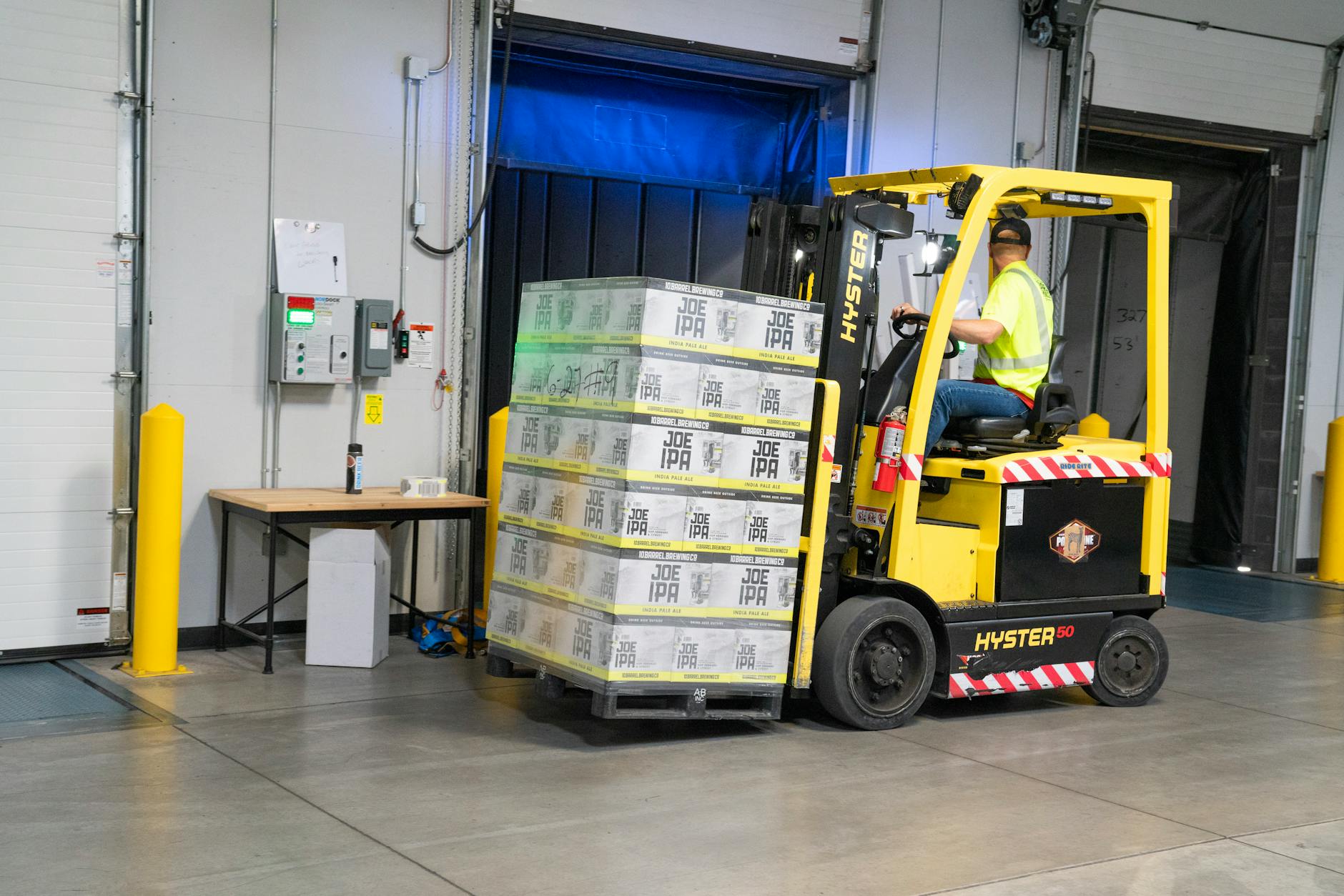
Keeping a warehouse or logistics facility safe is non-negotiable — but that doesn’t mean your safety communication has to be dull, generic, or forgettable. Promotional safety signs for warehouse and logistics operations across Australia are a rapidly growing category in the branded merchandise space, and for good reason. Whether you’re a reseller sourcing safety products for a client, a marketing agency building a branded workwear and safety package, or a business looking to reinforce your safety culture with professional, on-brand signage, understanding this category is essential. This guide walks you through everything you need to know — from product types and decoration methods to MOQs, turnaround times, and how to build a compelling package for Australian warehouse and logistics environments.
Why Promotional Safety Signs Matter in Warehouse and Logistics Settings
Safety signage in Australian workplaces isn’t just a box-ticking exercise. Under Work Health and Safety (WHS) legislation — which applies across every state and territory including New South Wales, Victoria, Queensland, Western Australia, South Australia, and the Northern Territory — employers have a legal duty to communicate hazards clearly. In fast-paced environments like distribution centres, cold storage facilities, and fulfilment warehouses, clear visual communication can genuinely save lives.
But here’s where the promotional products world adds real value: branded safety signs go beyond standard compliance. They communicate a company’s identity, reinforce workplace culture, and signal to employees and visitors alike that safety is taken seriously at every level of the organisation.
Think about a major logistics hub on the outskirts of Brisbane or a Perth distribution centre handling thousands of parcels a day. Standard yellow-and-black hazard signs get the job done for compliance — but custom-branded safety signs that incorporate a company’s colour palette, logo, and messaging create a cohesive, professional environment that boosts employee engagement and brand perception.
For resellers and agencies, this is a strong upsell opportunity. Clients ordering custom hi-vis workwear or branded safety vests are natural prospects for safety signage packages — and bundling these products increases average order value significantly.
Understanding the Key Product Types in This Category
The promotional safety signs category for warehouse and logistics covers a broader range of products than many people initially expect. Let’s break down the core product types you should know.
Rigid Safety Signs
Rigid signs are typically manufactured from aluminium, corflute, or polypropylene sheeting. These are ideal for permanent or semi-permanent installation in areas such as loading docks, racking bays, forklift zones, emergency exits, and fire equipment stations. Aluminium signs are particularly suited to outdoor or high-traffic areas because of their durability and resistance to weather and chemical exposure — important considerations in Queensland’s humid coastal environments or South Australia’s dry, dusty industrial zones.
For promotional purposes, rigid signs can be custom-printed with a company’s branding, specific safety messaging, or even facility maps. A Melbourne third-party logistics provider, for instance, might commission a series of branded aluminium signs featuring their company logo alongside required WHS compliance messaging — creating a consistent brand experience throughout their facility.
Corrugated Plastic and Foam Board Signs
Corflute (corrugated plastic) and foam board signs are lightweight, cost-effective, and excellent for short-to-medium-term use. They’re popular for promotional safety campaigns — think a company-wide safety month initiative or a temporary construction zone around a new warehouse fitout in Sydney’s western suburbs. These signs can be digitally printed full-colour at relatively low cost, making them accessible even for smaller logistics operators or resellers working with tight client budgets.
Retractable Banners and Pull-Up Displays
Often overlooked in a safety context, retractable banners are incredibly useful in warehouse and logistics settings for temporary signage needs — safety inductions, toolbox talk presentations, or event-based safety campaigns. They’re also easy to transport between sites, making them ideal for logistics companies with multiple facilities across Australia. A single branded retractable banner can reinforce safety protocols and company branding simultaneously. If your clients also run trade shows or expos, this crossover is worth highlighting. You can learn more in our guide to retractable banners for events and trade shows.
Floor Graphics and Safety Tape
Branded floor graphics have surged in popularity since the early 2020s. In warehouse environments, these serve a dual purpose: they mark pedestrian walkways, forklift zones, and hazard areas while also displaying company branding or custom messaging. Anti-slip laminate finishes are essential for safety compliance, and reputable suppliers will offer this as a standard option. Floor graphics work well in conjunction with custom branded hi-vis apparel as part of a comprehensive safety branding package.
Custom Safety Booklets and Pocket Guides
Beyond physical signage, promotional safety products in this space extend to printed materials like safety procedure booklets, laminated pocket reference cards, and custom notepads used during safety inductions. These are particularly relevant for resellers targeting transport and logistics companies onboarding large numbers of seasonal workers — a common scenario in the lead-up to peak delivery periods across the eastern seaboard.
Decoration Methods and Customisation Options
Understanding the right decoration or printing method is critical when sourcing promotional safety signs for warehouse and logistics applications in Australia.
Digital UV printing is the most common method for rigid signs and offers excellent colour accuracy, durability, and the ability to reproduce complex artwork including logos with fine detail. It’s well-suited to short-to-medium runs and allows for cost-effective customisation.
Screen printing is ideal for high-volume, simple-design runs where consistent colour reproduction is important. If a client needs 500 identical corflute signs with a two-colour logo and safety message, screen printing will deliver competitive unit pricing. Our comparison of screen printing vs digital printing covers this in more detail.
Reflective vinyl application is a must-consider for signs in areas where forklifts, trucks, or other vehicles operate — especially in low-light conditions. Reflective finishes improve sign visibility dramatically and are a compliance-positive feature that clients will appreciate.
PMS colour matching is important when incorporating corporate brand colours into safety signage. Most quality suppliers can accommodate Pantone colour specifications, ensuring that branded elements remain consistent with the client’s style guide.
For resellers, it’s worth confirming with your supplier whether artwork setup fees apply, particularly for new orders or complex multi-colour designs. Setup fees typically range from $50 to $150 per colour or print position, depending on the supplier and method.
MOQs, Turnaround Times, and Budget Considerations
One of the most common questions resellers and agencies ask when entering this category is: what are the minimum order quantities?
For rigid aluminium or polypropylene signs, MOQs typically start at 10–25 units per design, though some suppliers will accommodate smaller runs at a premium per-unit price. Corflute signs often have lower MOQs — sometimes as few as five units — making them accessible for smaller clients or proof-of-concept orders.
For floor graphics, expect MOQs of around 10–20 units, and always confirm that the anti-slip laminate is included. It’s non-negotiable in a warehouse setting from both a safety and liability perspective.
Turnaround times for standard promotional safety signs typically sit between 5 and 15 business days from artwork approval, depending on the complexity and quantity of the order. Rush production is available from many Australian suppliers but will attract an additional fee — usually 15–30% on top of the standard order price. If your client is in Melbourne or Sydney with an urgent requirement, this is worth factoring into your quoting process early.
Budget guidance: For a mid-sized warehouse signage package — say, 50 branded aluminium signs of varying sizes — you might expect to invest between $800 and $2,500 depending on sign dimensions, finish, and the complexity of the artwork. This is a strong-value proposition when positioned alongside custom branded workwear and safety apparel, particularly for clients who are already spending on team uniforms.
Building a Complete Warehouse Safety Branding Package
For resellers and marketing agencies, the real opportunity lies in packaging. A warehouse or logistics client that’s investing in safety signage is likely also interested in:
- Branded hi-vis vests and shirts — our guide to custom hi-vis t-shirts and polos is a useful resource
- Custom hard hat stickers and decals — a low-cost, high-visibility branding option
- Branded lanyards and ID holders for visitor management and access control
- Custom safety induction kits including branded notebooks, pens, and information booklets
- Promotional drinkware such as insulated water bottles and keep cups for break rooms
Bundling these products into a cohesive safety and branding package increases the perceived value for the client and strengthens your position as a full-service supplier. You can explore complementary products in our overview of branded stationery for corporate clients and our guide to promotional drinkware for workplaces.
Working With Australian Suppliers: What to Look For
When sourcing promotional safety signs for warehouse and logistics clients in Australia, supplier selection matters. Here are the key criteria to evaluate:
WHS compliance knowledge: Your supplier should understand Australian standards for safety signage, including AS 1319 (the standard for safety signs for the occupational environment). Signs that don’t meet compliance requirements could expose your client to legal risk.
Local production vs. import: Many suppliers offer locally produced signage for faster turnaround and greater quality control — particularly for bespoke or complex orders. Imported stock signs are fine for standard formats but may have longer lead times.
Artwork support: Look for suppliers that offer in-house graphic design or artwork checking services. Errors in safety signage can have serious consequences, so a thorough proof approval process is essential. Our guide to artwork setup for promotional products explains what to prepare before placing an order.
Sample availability: Always request a physical sample or production proof before committing to a large run, particularly for rigid signs where colour accuracy and material quality are critical. Learn more about ordering samples from Australian promotional product suppliers.
Eco-friendly options: Increasingly, Australian logistics companies are seeking sustainable alternatives. Recycled materials and water-based inks are now available from a number of local suppliers. This aligns with broader eco-friendly branded merchandise trends in Australia.
Conclusion: Key Takeaways for Sourcing Promotional Safety Signs for Warehouse and Logistics in Australia
Promotional safety signs for warehouse and logistics are a smart, high-value product category for resellers, agencies, and businesses operating in Australia’s industrial and supply chain sectors. Done well, they combine compliance with brand identity to create environments that are both safer and more professionally presented.
Here are the five key takeaways from this guide:
- Compliance first, branding second — all safety signage must meet Australian WHS requirements and relevant standards such as AS 1319. Work with suppliers who understand these obligations.
- Product variety is your advantage — from rigid aluminium signs and floor graphics to retractable banners and safety booklets, there are multiple product types that suit different needs and budgets.
- Bundling increases value — pair safety signage with hi-vis apparel, branded lanyards, and safety induction kits to build compelling packages that serve clients holistically.
- MOQs and turnaround times vary — plan ahead and discuss timelines with your supplier early, especially for complex multi-sign orders or clients with urgent requirements.
- Supplier quality matters — choose Australian suppliers with compliance knowledge, reliable artwork proofing processes, and the ability to match your client’s brand colours accurately.