
Merchandising Products: A Complete Guide for Australian Businesses and Resellers
Discover how to choose, source, and manage merchandising products in Australia. Expert tips for businesses, resellers, and marketing agencies.

Written by
Daniel Voss
Corporate Gifts
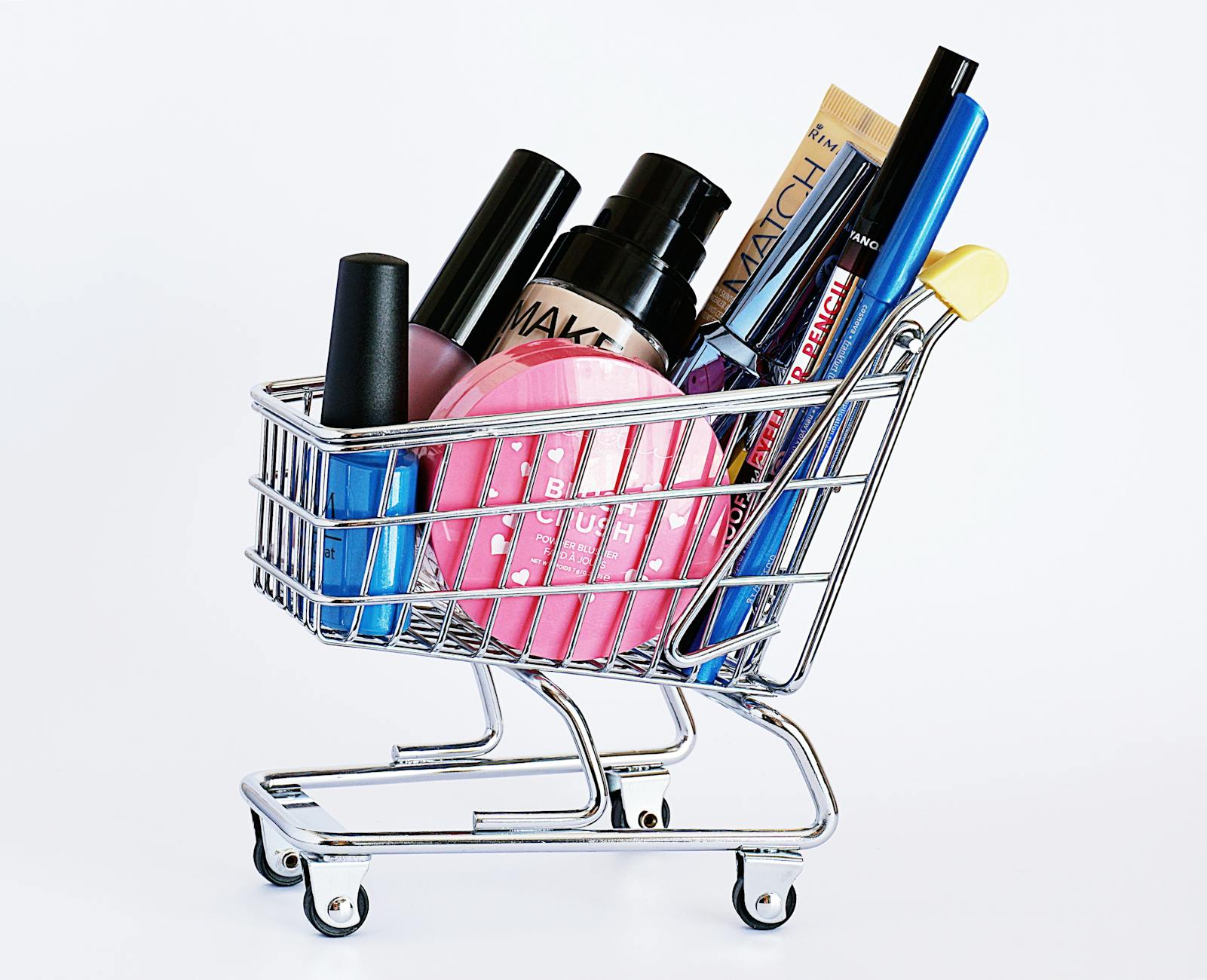
Choosing the right merchandising products can be the difference between a brand that fades into the background and one that stays front of mind long after the event, meeting, or campaign wraps up. Whether you’re a marketing agency putting together a client gift strategy, a reseller building out your product catalogue, or a corporate business looking to make a real impression, understanding how merchandising products work — and how to source them effectively in Australia — is essential knowledge.
This guide breaks down everything you need to know: product selection, decoration methods, supplier considerations, budget planning, and the practical details that separate a smooth merch project from a stressful one.
What Are Merchandising Products and Why Do They Matter?
Before diving into the how, it’s worth getting clear on the what. Merchandising products — often called branded merchandise, promotional products, or simply “merch” — are physical items customised with a logo, message, or design and distributed to promote a brand, reward loyalty, or communicate a value. They span an enormous range of categories, from custom apparel and drinkware through to tech accessories, eco-friendly packaging, and food gifting.
The reason they matter is simple: physical products create a tangible connection that digital advertising simply cannot replicate. A branded keep cup sits on someone’s desk every single day. A quality tote bag gets taken to the supermarket weekly. Every time someone uses that item, your brand gets a free impression — often in front of other people, too.
For businesses in Sydney, Melbourne, Brisbane, and beyond, the return on investment from well-chosen merchandising products is measurable and meaningful. Studies consistently show that promotional products have a lower cost-per-impression than most other advertising channels, and recipients are far more likely to remember — and do business with — a brand that has given them something useful.
Key Categories of Merchandising Products in Australia
The Australian promotional products industry is vast, and knowing which categories suit your campaign goals will save you time and budget. Here’s a breakdown of the most effective product types for different use cases.
Apparel and Wearables
Custom apparel remains one of the most impactful merchandising products available. T-shirts, polos, hoodies, caps, and hi-vis workwear can all be decorated with embroidery, screen printing, heat transfer, or sublimation. For uniforms and workwear, embroidery offers a premium, long-lasting finish. For event merchandise or team gear, sublimation shirts deliver vivid, all-over designs that truly stand out.
A Brisbane primary school ordering custom sports day t-shirts, for example, might opt for screen printing at a lower MOQ (typically 24–50 units depending on the supplier), while a Melbourne corporate team building a uniform range would likely prioritise embroidered polos for a more professional aesthetic.
Drinkware
Branded drinkware is consistently one of the highest-performing merchandise categories in terms of frequency of use. From reusable water bottles to insulated keep cups and ceramic mugs, these products get used daily — giving your brand exceptional longevity.
For clients who prioritise sustainability, the story around reusable drinkware is compelling. A Perth corporation sending clients eco-conscious keep cups communicates environmental responsibility while delivering genuine utility.
Bags and Totes
Bags offer incredible brand exposure because they’re used in public spaces. Printable tote bags are a staple for conferences, retail promotions, and community events, while reusable supermarket bags have surged in popularity as businesses align with sustainability messaging. Cooler bags and backpacks round out the category for more premium gifting applications.
Tech Accessories
Tech products are particularly popular as corporate gifts because they signal value and innovation. Power bank chargers are perennial favourites — they’re practical, universally appreciated, and offer decent surface area for branding. For resellers and marketing agencies building tiered gift programmes, pairing a branded power bank with a notebook and pen creates a polished, cohesive gift set that impresses at any level. Keep an eye on tech promotional gadget trends in Australia to ensure you’re offering clients the most relevant options.
Eco-Friendly and Sustainable Products
Eco-conscious merchandising products are no longer a niche request — they’re increasingly a baseline expectation, especially for government clients, not-for-profits, and forward-thinking corporates. Bamboo products, recycled materials, and sustainable branded packaging for online retailers are all growing segments of the market.
Food and Specialty Gifts
Edible and artisanal products are making serious inroads as premium corporate gifting options. Branded honey for corporate gifts is a great example — distinctly Australian, high-perceived-value, and highly memorable. Similarly, promotional fruit boxes for Easter promotions show how seasonal, food-based gifting can reinforce brand warmth and generosity.
How to Choose the Right Merchandising Products for Your Campaign
With so many options available, narrowing down the right product mix can feel overwhelming. A structured approach helps considerably.
Define Your Objective First
Are you trying to generate brand awareness, reward loyal customers, drive trade show engagement, or welcome new employees? The objective shapes everything else. Promotional giveaways for networking events will have very different requirements to winter branded gifts for clients or merchandise for a pub crawl.
Know Your Audience
A Canberra government department ordering merchandise for a community awareness campaign has different audience expectations than a Sydney marketing agency sourcing gifts for high-value clients. Always consider what your end recipient will genuinely find useful, what messages resonate with them, and what product will sit naturally in their daily life.
Set a Realistic Budget
Budget drives almost every other decision in a merch project. Per-unit costs vary significantly based on product type, quantity, decoration method, and lead time. As a general guide:
- Entry-level giveaways (pens, lanyards, basic tote bags): $2–$8 per unit
- Mid-range items (branded notebooks, drinkware, apparel): $10–$35 per unit
- Premium corporate gifts (tech accessories, leather goods, curated gift sets): $40–$150+ per unit
Understand that bulk pricing tiers mean ordering 500 units often costs significantly less per unit than ordering 50. If budget allows, consolidating orders makes excellent financial sense. Also factor in setup fees for new artwork (typically $50–$150 per colour or position, depending on the supplier and method) and GST.
For resellers and agencies, it’s also worth understanding payment terms and options for promotional product orders before committing to a supplier relationship.
Consider Turnaround Time
Standard turnaround for most merchandising products in Australia runs 10–15 business days from proof approval. Rush orders are available from many suppliers but attract a premium. For events or campaigns with fixed deadlines, always work backwards from your event date and build in buffer time. Orders from overseas suppliers (common for tech products and speciality items) may require 4–8 weeks.
Sourcing Quality Merchandising Products in Australia
Finding the right supplier is arguably the most important decision in the entire process. The quality of your merchandising products reflects directly on your brand — substandard items send entirely the wrong message.
When evaluating suppliers, consider:
- Sample availability: A reputable supplier will offer samples before a full production run. Always request a physical sample for new products or new decoration methods.
- Artwork handling: Look for suppliers who offer proofs before printing and have clear artwork submission guidelines. Most will accept vector files (AI, EPS, or high-resolution PDF).
- MOQ flexibility: Some suppliers specialise in low-MOQ orders, which is valuable for smaller businesses and test campaigns.
- Product range: A strong supplier catalogue across prime promotional products gives you flexibility without managing multiple vendor relationships.
- Australian stock: Locally held stock dramatically reduces turnaround times compared to suppliers relying entirely on imported goods.
If you’re building a reseller business, it’s worth exploring niche product categories to differentiate your offering. Specialised items like promotional AFL footballs with team logos, promotional outdoor blankets for stargazing events, promotional safety signs for warehouses, and promotional yoga mats in Sydney open doors to verticals that generalist competitors may overlook.
Managing a Merchandising Products Project Successfully
Even experienced marketing managers can hit avoidable snags on merch projects. Here’s how to keep things on track:
- Brief clearly: Provide your supplier with brand guidelines, colour specifications (Pantone/PMS references if available), intended use, and target audience from the outset.
- Approve proofs carefully: Check every proof for logo placement, colour accuracy, and spelling before approving. Errors caught at proof stage cost nothing to fix; errors caught after production are expensive.
- Consolidate delivery: Where possible, ship to a central address and redistribute. Split delivery to multiple locations adds cost and complexity.
- Document everything: Keep records of your artwork files, order confirmations, proof approvals, and invoices. This is essential for repeat orders and for agencies managing multiple client campaigns simultaneously.
For businesses operating across multiple states — say, coordinating merchandise for promotional products in Canberra and other capital city offices simultaneously — clear project management processes are especially important.
Conclusion: Getting the Most From Your Merchandising Products Strategy
Merchandising products are a powerful, proven tool for building brand presence, rewarding relationships, and communicating values — but only when they’re well-chosen, well-produced, and well-distributed. For Australian businesses, resellers, and marketing agencies, the key is approaching each project with clarity of purpose, audience understanding, and supplier confidence.
Here are the key takeaways to carry forward:
- Match product to objective: Every merchandising product decision should trace back to a clear campaign goal and audience insight.
- Budget realistically: Factor in setup fees, GST, delivery, and buffer time — not just the unit cost.
- Prioritise quality: Poorly produced items can damage brand perception; invest in samples and choose reputable Australian suppliers.
- Diversify your product mix: Spanning multiple categories — apparel, drinkware, tech, eco products, and food gifts — gives you flexibility to serve diverse client needs.
- Plan for lead times: Build at least two to three weeks of buffer into any campaign timeline, and more for imported or speciality products.
With the right strategy in place, merchandising products become one of the most cost-effective and memorable components of any marketing campaign.