
Drink Bottle Printing in Australia: The Complete Guide for Businesses and Resellers
Everything you need to know about drink bottle printing in Australia — decoration methods, MOQs, budgeting tips, and how to source the best suppliers.

Written by
Callum Drake
Drinkware
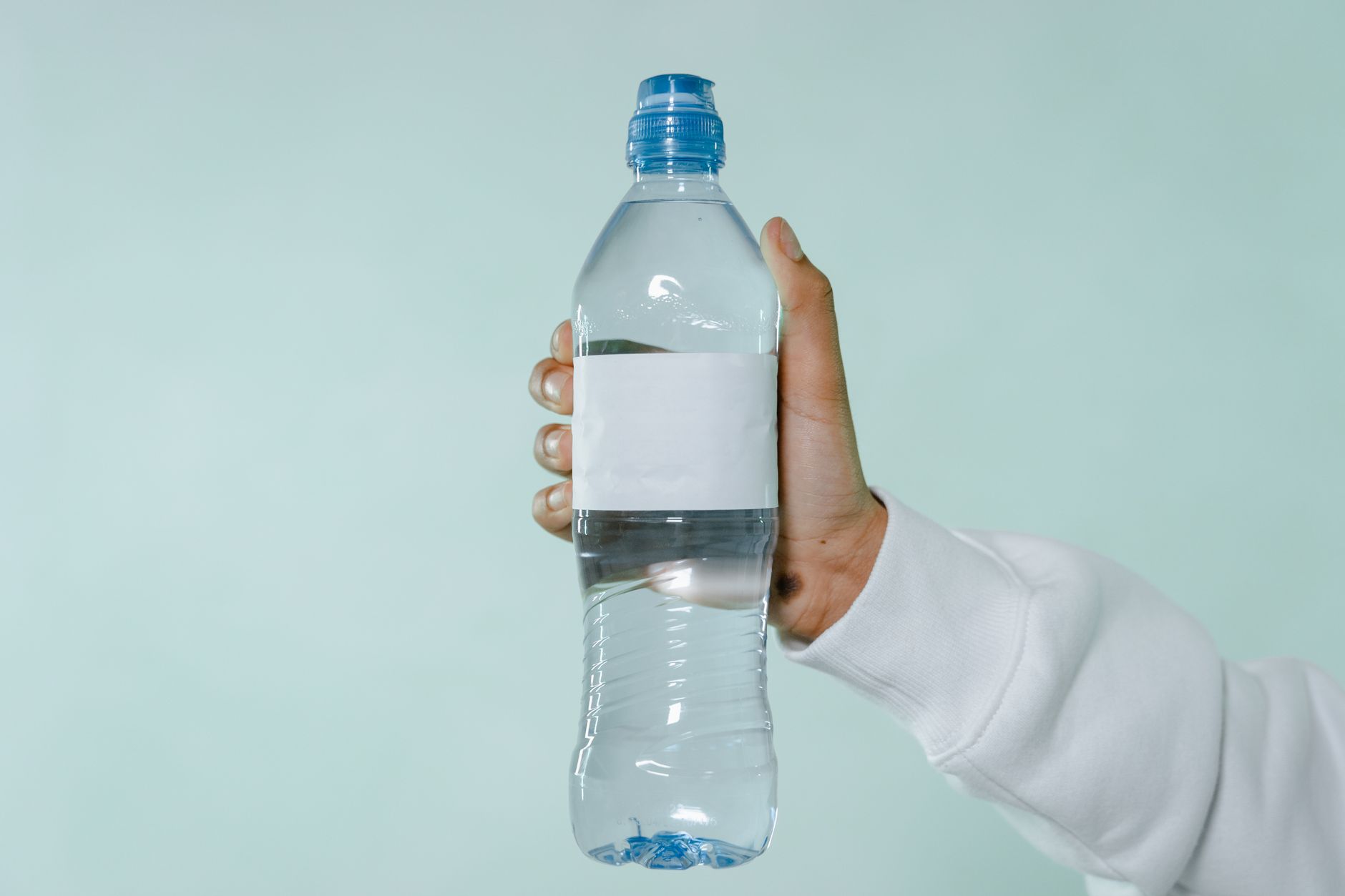
When it comes to branded merchandise that genuinely gets used day after day, few products deliver the kind of ongoing visibility that a custom drink bottle provides. Whether it’s a reusable water bottle sitting on a corporate desk in Sydney, a hydration flask travelling with a gym-goer in Melbourne, or a branded bottle handed out at a Gold Coast trade show, drink bottle printing puts your logo in front of eyes — repeatedly, and for months on end. For businesses, marketing agencies, and resellers sourcing promotional products in Australia, understanding how drink bottle printing works is essential to getting a result that’s sharp, durable, and worth every cent of the investment.
This guide walks you through everything you need to know: from choosing the right decoration method, to managing minimum order quantities, to briefing a supplier effectively. Let’s get into it.
Why Drink Bottle Printing Is One of the Smartest Branded Merchandise Investments
The promotional products industry has long recognised drink bottles as a high-retention item. Unlike a branded pen that gets left on a conference table or a flyer that finds its way into the bin, a quality custom drink bottle tends to stick around. People form habits around their bottles — they carry them to the gym, to the office, to school drop-off. That habitual use translates directly into repeated brand impressions over time.
For resellers and marketing agencies putting together merchandise packages, this makes drink bottles a reliable anchor product. They’re versatile enough to suit virtually any sector — corporate gifting, school events, sporting clubs, healthcare campaigns, government awareness drives, and more. A Canberra government department ordering reusable branded bottles for a sustainability campaign gets practical utility baked right into the message.
From a budget perspective, drink bottles also offer strong value at scale. The per-unit cost drops considerably as order quantities increase, and because they’re items recipients actually want, there’s far less wastage than with some other promotional categories.
If you’re comparing drinkware options more broadly, it’s worth reading our guide on customised water bottles in Australia to understand the full range of bottle styles and materials available in the market.
Understanding the Main Drink Bottle Printing Methods
Not all decoration methods are created equal, and the right choice depends on the bottle material, your artwork, your budget, and how long you need the print to last. Here’s a breakdown of the most common techniques used by Australian suppliers.
Screen Printing
Screen printing is one of the most widely used methods for drink bottle printing in Australia, particularly for plastic and aluminium bottles. Each colour in your design requires a separate screen, which means this method works best with simple, bold logos rather than complex photographic imagery. Setup fees apply per colour, so one- or two-colour prints tend to be the most cost-effective.
MOQs for screen printed bottles typically start around 50 to 100 units, though this varies by supplier. Turnaround times in Australia usually run between 7 and 15 business days once artwork is approved, though rush services exist for urgent campaigns.
Pad Printing
Pad printing is ideal for curved surfaces, making it a natural fit for rounded drink bottles. Like screen printing, it’s best suited to simpler artwork with a limited number of colours. It’s a cost-effective option for mid-size runs and produces consistent, clean results across the order.
Laser Engraving
For stainless steel and aluminium bottles, laser engraving offers an exceptionally premium finish. The laser burns away the top layer of the surface, leaving a permanent, tactile impression. There’s no ink, no risk of peeling, and the result looks sophisticated — which makes it a popular choice for corporate gifting and executive merchandise packages.
Laser engraving is a great option for businesses that pair their branded bottles with other premium items. If you’re building a premium gift set, consider pairing a laser-engraved bottle with a custom notebook from an Australian supplier or a solar-powered power bank for a cohesive, high-value impression.
Sublimation Printing
Sublimation is where things get visually exciting. Using heat and pressure, dye is permanently infused into the surface of the bottle, allowing for full-colour, edge-to-edge designs with photographic-quality detail. This method is only suitable for certain materials — typically white or light-coloured polyester-coated bottles — but when it’s the right fit, the results are stunning.
Sublimation is popular for sports clubs, events, and campaigns where a bold, eye-catching design is the priority. A Brisbane sporting club running a fundraising campaign could use sublimation to produce vibrant, all-over printed drink bottles that really stand out on the sidelines.
Digital Printing
Digital printing bridges the gap for shorter runs that need full-colour output. It’s more flexible than screen printing in terms of colour complexity, and it’s well suited to smaller quantities where setup costs need to be minimised. Quality has improved significantly in recent years and it’s now a reliable option for many standard promotional bottle applications.
Choosing the Right Bottle for Your Print Method
The bottle material you choose will directly influence which decoration methods are available to you, and getting this wrong can lead to costly mistakes. Here’s a quick overview:
- Plastic bottles — generally suit screen printing, pad printing, and digital printing. Lightweight and budget-friendly, making them ideal for events with large attendance numbers.
- Stainless steel bottles — well suited to laser engraving and pad printing. Premium feel and excellent durability. A popular choice for corporate gifting.
- Aluminium bottles — can work with screen printing and laser engraving. Lighter than stainless steel with a similar aesthetic quality.
- BPA-free Tritan or similar materials — often used for sports-style bottles and protein shakers. Compatible with pad printing and digital methods.
If your client is in the health and fitness space, it’s worth exploring our dedicated guide on protein shake shaker bottles — a growing segment of the branded drinkware category with its own considerations around decoration and function.
Artwork Preparation: Getting It Right Before You Order
Poor artwork preparation is one of the most common causes of delays and disappointing results in drink bottle printing projects. Here are the key things to brief your clients on — or to confirm yourself if you’re placing an order:
File formats: Most Australian suppliers require vector files (AI, EPS, or high-resolution PDF) for screen printing, pad printing, and laser engraving. Sublimation and digital printing can sometimes work with high-resolution raster files (300 DPI or higher), but vector is always preferable.
Colour specifications: For spot-colour methods like screen printing, specify PMS (Pantone Matching System) colours where possible to ensure accuracy. Keep in mind that some bottle colours and coatings can slightly affect how a PMS colour appears on the final product, so always request a physical sample for high-stakes orders.
Print area dimensions: Every bottle has a defined print area. A supplier should be able to provide a template showing the maximum usable space for your design. Designs that bleed too close to curves, seams, or raised features may not print cleanly.
Proof approval: Never skip the proof stage. A digital proof at minimum should be reviewed and approved in writing before production begins. For large or complex orders, a physical pre-production sample is strongly recommended, even if it means a slightly longer lead time.
MOQs, Budgeting, and Pricing Tiers for Drink Bottle Printing
Budget is almost always a key factor, especially for resellers putting together quotes for clients. Here’s a general framework to work with:
- Entry-level plastic bottles with screen printing: MOQs often start at 50–100 units, with per-unit costs dropping meaningfully at 250+ units.
- Stainless steel bottles with laser engraving: MOQs may start at 25–50 units, but per-unit costs are higher. Budget from $10–$25+ per unit depending on quality and features.
- Sublimation printed bottles: MOQs vary but often start at 50 units. These can be pricier per unit due to the printing process but deliver exceptional visual impact.
Setup fees are a normal part of the process — typically $30–$80 per colour per screen for screen printing. Always factor these into your total cost calculation when comparing quotes, especially for smaller orders where setup fees represent a larger proportion of total spend.
For resellers building out comprehensive merchandise packages, drink bottles pair naturally with a range of other products. Consider bundling them with branded tote bags from Brisbane suppliers, magnetic name badges, or even personalised dog tags for event or conference packages that cover multiple touchpoints.
Practical Tips for Resellers and Marketing Agencies
If you’re sourcing drink bottle printing on behalf of clients, a few operational habits will save you significant time and headaches:
Set clear client expectations early. Explain turnaround times, the proof approval process, and the risks of rushing production. Clients who understand the process are far less likely to create last-minute problems.
Always build in buffer time. Australian suppliers, particularly those manufacturing locally or importing stock, can experience delays due to freight, weather events, or production backlogs. Adding a week of buffer to your project timeline is always wise.
Order samples upfront for repeat clients. If a client is likely to reorder the same product, having a physical sample on hand for future reference speeds up the process and sets the right quality expectations.
Communicate artwork requirements clearly. Send clients a simple artwork briefing document so you receive files in the right format from the start. This alone can eliminate days of back-and-forth.
For further reading on building out a well-rounded merchandise catalogue, explore our guides on employee gift ideas, customisable dog tags, personalised golf towels, and USB chargers — all popular additions to merchandise packages that complement branded drinkware.
You might also find value in exploring apparel options that pair well with drink bottles for cohesive branded kits — our posts on men’s shirt brands and polo shirt brands cover some of the most popular choices in the Australian market.
Conclusion: Key Takeaways for Drink Bottle Printing in Australia
Drink bottle printing remains one of the most effective and versatile options in the promotional products toolkit — and for good reason. When ordered correctly and decorated with care, a branded drink bottle delivers ongoing brand visibility, genuine utility for the recipient, and strong return on investment for the client. Whether you’re a reseller putting together a conference merchandise pack, a marketing agency building a brand awareness campaign, or a business ordering team gifts, getting the basics right will set your project up for success.
Here are the key points to take away:
- Match your decoration method to your bottle material — laser engraving for stainless steel, sublimation for full-colour polyester-coated bottles, screen or pad printing for plastic and aluminium.
- Prepare artwork correctly from the start — vector files, PMS colour specs, and proper print area sizing will prevent delays and ensure quality results.
- Factor in all costs when budgeting — setup fees, per-unit pricing at your required quantity, and any sampling costs should all be included in your quote to clients.
- Build in production buffer time — a rushed drink bottle printing project is far more likely to encounter avoidable problems. Allow adequate lead time for proofing, production, and delivery.
- Use drink bottles as part of a broader merchandise strategy — pairing them with complementary products creates a more cohesive and impactful brand experience for recipients.