
Personalised Dog Tags in Australia: A Complete Guide for Resellers and Businesses
Discover how to source personalised dog tags in Australia for resellers, marketing agencies and businesses. Tips on MOQs, decoration and suppliers.

Written by
Sofia Mendez
Awards & Recognition
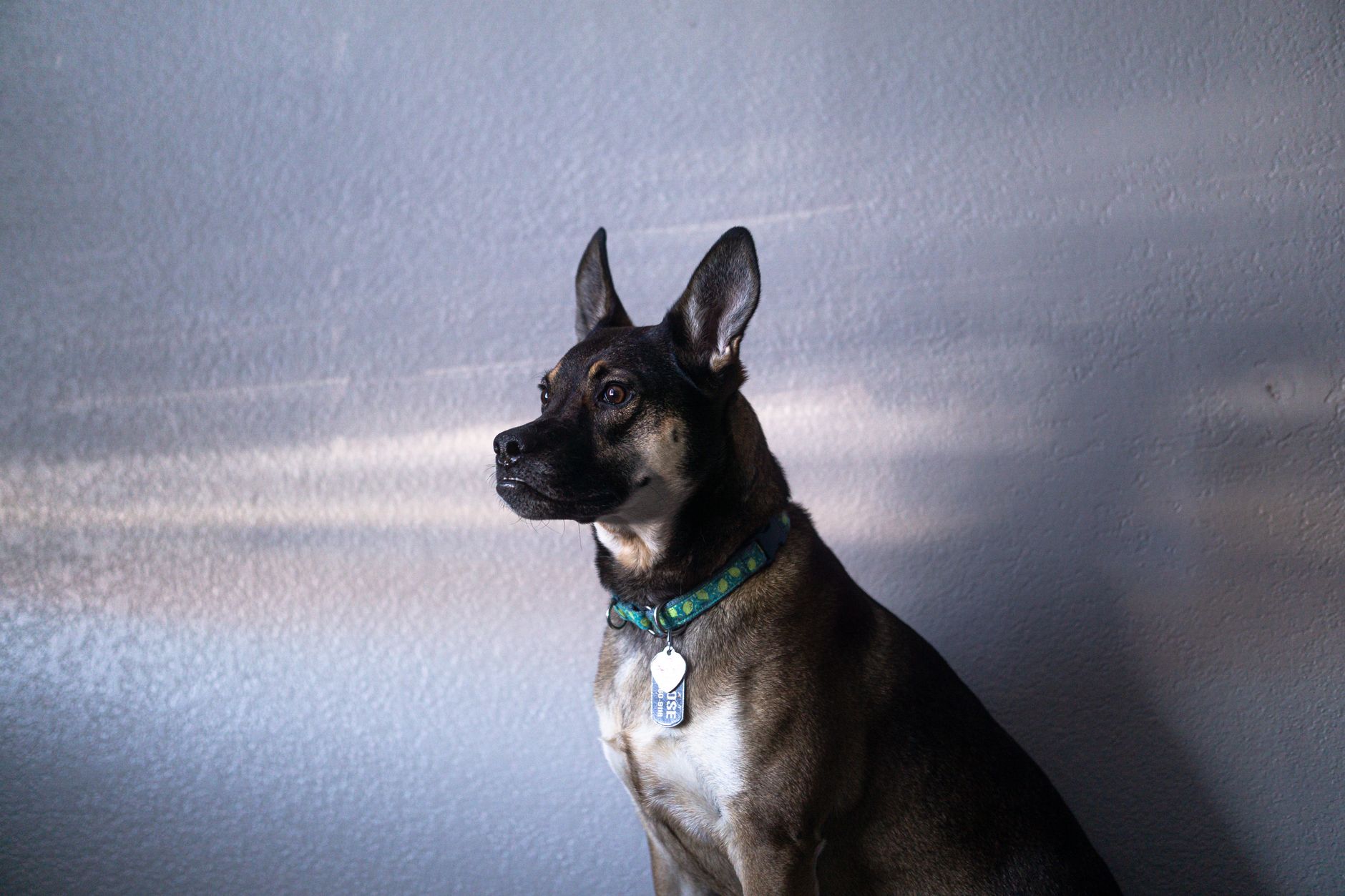
When it comes to promotional products that combine genuine utility with emotional resonance, few items land as effectively as a dog tag personalised with a brand, message, or pet’s details. Whether you’re a reseller looking to expand your product range, a marketing agency sourcing memorable giveaways, or a business hunting for a unique branded item that stands out at trade shows, personalised dog tags offer remarkable versatility. The Australian pet industry is booming — pet ownership rates remain among the highest in the world — and demand for quality, customised pet accessories has never been stronger. This guide walks you through everything you need to know about sourcing, ordering, and selling personalised dog tags through Australian suppliers.
Why Personalised Dog Tags Are a Smart Product for Resellers
The appeal of personalised dog tags goes well beyond the pet-owning market. Yes, millions of Australian households own dogs and cats, and a quality engraved tag is a practical necessity for any pet owner. But savvy resellers and marketing professionals understand that dog tags have crossover appeal across multiple categories.
Think about the use cases. A Sydney veterinary clinic running a client loyalty campaign can order branded pet tags as thank-you gifts for new patients. A Brisbane sporting club might include personalised dog tags in welcome packs for junior members — kids love them as collectibles or bag charms. A Melbourne HR team sourcing onboarding gifts for new staff could include a tag personalised with an employee’s name alongside other branded items. The product transcends its original purpose remarkably well.
For resellers specifically, dog tags are attractive because:
- Margins are healthy. Unit costs are low at volume, and the perceived value of a personalised item is significantly higher than a generic one.
- MOQs are accessible. Many Australian suppliers offer runs as low as 25–50 units, making it viable for small businesses and boutique campaigns.
- Turnaround is fast. Laser engraving and debossing are efficient decoration methods, and a standard order can typically be fulfilled within 5–10 business days.
- They’re lightweight and postage-friendly. For resellers running e-commerce operations, metal tags are compact and cheap to fulfil.
If you’re building out a pet accessories range or a lifestyle merchandise collection, personalised dog tags deserve a prominent spot in your catalogue.
Understanding Your Decoration Options for a Dog Tag Personalised
The quality and longevity of a personalised dog tag depends heavily on the decoration method used. Each technique has trade-offs around cost, durability, and the level of customisation possible.
Laser Engraving
Laser engraving is the gold standard for metal dog tags. A laser removes material from the surface to create a permanent, deeply etched design that will not fade, scratch off, or wash out over time. It’s ideal for names, phone numbers, addresses, logos, and intricate artwork. Most Australian suppliers offering stainless steel or aluminium tags will use laser engraving as the primary method.
For resellers, laser engraving is particularly appealing because it supports variable data — meaning each tag in a run can carry different text (different pet names, for example) without significant cost increases per unit. This makes it perfect for bulk personalisation projects. For more context on how laser engraving compares to other decoration techniques, our guide to laser engraving vs pad printing for promotional products is worth reading before you brief a supplier.
Debossing and Embossing
Some dog tags — particularly zinc alloy or softer metal varieties — are produced with debossed or embossed detail. This method involves pressing a design into the material during the manufacturing stage. It’s cost-effective for large volume runs where the same design is repeated across all units, but it lacks the flexibility of laser engraving for variable personalisation. It suits branded promotional tags where every unit carries the same logo or message.
Full Colour Printing
For tags with complex, multi-colour artwork — such as illustrated pet portraits or branded logos in specific PMS colours — some suppliers offer a printed insert protected under an epoxy dome or clear resin coating. This allows for vibrant, photographic-quality imagery but is less durable than engraving when exposed to prolonged outdoor wear. It’s a popular choice for novelty and lifestyle merchandise rather than everyday pet ID tags.
Anodising and Colour Fill
Anodised aluminium tags can be produced in a wide range of colours, with laser engraving then applied to cut through the anodised layer and reveal a contrasting metal finish underneath. Colour fill options allow engraved recesses to be filled with enamel paint for added visual impact. Both techniques suit branding projects where corporate colours need to be matched accurately.
Understanding these methods will help you ask better questions when evaluating Australian promotional product suppliers and ensure your clients receive a product that matches their expectations.
Choosing the Right Materials and Formats
Personalised dog tags are available in a range of materials, each suited to different use cases and price points.
Stainless steel is the most popular option for functional pet ID tags. It’s corrosion-resistant, durable, and holds engraving exceptionally well. Expect to pay a slight premium, but the longevity justifies the investment — especially for a product that will spend significant time outdoors, in water, and being worn daily.
Aluminium offers a lighter, more affordable alternative. It’s available in anodised colours and engraves cleanly. Weight is a consideration for very small pets, making aluminium tags a genuinely practical choice for clients targeting the cat or small dog market.
Zinc alloy is commonly used for decorative or novelty tags where the finish and appearance take priority over long-term outdoor durability. It’s suitable for bag charms, keychains, and costume jewellery-style tags.
Brass carries a premium aesthetic and engraves with a warm, classic finish. It’s favoured for upscale branded gifts and corporate keepsakes where the look and feel of the product needs to signal quality.
Tag shapes also vary considerably — from the classic oval and bone shapes associated with pet ID to military-style rectangular tags, round discs, star and shield formats, and fully custom die-cut shapes for larger orders. If you’re producing a branded run for a client campaign, a custom shape can dramatically enhance perceived value. Our overview of custom shape promotional products and setup costs explains what to expect when briefing suppliers on non-standard formats.
Minimum Order Quantities, Pricing, and Lead Times
For businesses and resellers sourcing personalised dog tags in Australia, it’s important to have realistic expectations around volume, cost, and timing.
Minimum order quantities vary by supplier and decoration method. For laser-engraved tags with variable text, many local Australian suppliers will accommodate orders from as few as 25–50 units, though pricing per unit improves substantially at 100, 250, and 500-unit thresholds. For embossed or debossed runs with a fixed design, MOQs may start higher — often 100–250 units — due to tooling costs.
Pricing at the reseller level typically ranges from $2–$8 per unit for aluminium and zinc alloy tags at modest volumes, with stainless steel commanding $4–$12 per unit depending on size, complexity, and decoration method. Custom die-cut shapes and full-colour printing will push costs toward the higher end. When reselling, healthy margins are achievable because the perceived value of a personalised, quality tag is considerably higher than the landed cost.
Setup fees for laser engraving are generally minimal or absorbed at volume. If your client requires a custom shape, a one-off die or tooling fee will apply — typically $50–$200 — though this is amortised across the run volume quickly.
Lead times for standard in-stock shapes with laser engraving are typically 5–10 business days from approved artwork. Custom shapes with tooling required can extend to 3–4 weeks. If your client is working toward an event or campaign deadline, always build in buffer time and request a pre-production sample before committing to the full run. Our guide to managing promotional product lead times covers this topic in more detail for resellers managing multiple client deadlines.
Artwork Requirements and Getting the Proof Right
Getting the artwork right is critical for personalised dog tags, particularly given the small surface area and the precision required for legible engraving. Most Australian suppliers will request vector artwork (AI, EPS, or PDF format) for logo work. For text-only personalisation, a brief outlining fonts, sizing, and any variable data fields is usually sufficient.
Key considerations for artwork on dog tags:
- Font size matters. Fine serif fonts can lose definition on small tags. Bold, clean sans-serif typefaces generally engrave more crisply.
- Line weights. For laser engraving, avoid extremely fine lines in complex logos — they may not reproduce clearly at small scales.
- Variable data files. If ordering a run of individually personalised tags, supply a spreadsheet with each unit’s specific details. Most suppliers accept CSV or Excel formats.
- Proof approval. Always request a digital proof before signing off on production, and encourage your clients to double-check every detail — especially phone numbers and addresses on pet ID tags where accuracy is critical.
For a broader understanding of artwork preparation for different promotional products, our artwork file formats guide for promotional products covers the essentials across decoration methods.
Use Cases Worth Pitching to Your Clients
Beyond the obvious pet ID application, here are some client scenarios where a dog tag personalised makes a compelling pitch:
- Veterinary clinics and pet supply retailers in Perth or Adelaide running new client promotions or loyalty reward campaigns
- Animal shelters and rescue organisations across Queensland and Victoria using branded tags for adoption kits
- Pet-friendly workplaces in Sydney and Melbourne where staff bring dogs to the office — branded tags make a delightful onboarding gift
- Sporting clubs and schools in Hobart or Darwin offering personalised bag charms or keyring tags as fundraising merchandise
- Event organisers at expos and trade shows using military-style dog tags as retro, tactile name badge alternatives — these remain surprisingly popular at corporate events
For agencies managing merchandise for multiple client sectors, understanding the crossover potential of a single SKU is powerful. Our guide to building a promotional product catalogue for marketing agencies explores this approach in detail.
Finding Reliable Australian Suppliers
When sourcing personalised dog tags for resale or client campaigns, supplier reliability matters enormously. You need consistent quality, accurate personalisation, and the ability to meet deadlines. Look for suppliers who:
- Offer pre-production samples or digital proofs as standard
- Have experience with variable data personalisation across large runs
- Can provide PMS colour matching for anodised finishes
- Carry stock of multiple materials and shapes for faster turnaround
- Offer clear terms on reprints and quality guarantees
Our directory of Australian promotional product suppliers by product category is a useful starting point for identifying vetted suppliers in the pet and lifestyle merchandise space. Additionally, reading about what to look for when evaluating a new promotional product supplier will help you ask the right questions during the briefing process.
If you’re also sourcing complementary pet-related merchandise alongside dog tags, our guide to pet promotional products for Australian businesses covers the broader category in detail.
Conclusion: Key Takeaways for Resellers and Businesses
Personalised dog tags represent an underutilised opportunity in the Australian promotional products market. With broad appeal across pet owners, sporting clubs, corporate gifters, and event organisers, they punch well above their weight in terms of versatility and margin potential. Whether you’re sourcing a dog tag personalised for a veterinary clinic campaign, a pet-friendly workplace gift, or a creative trade show giveaway, the fundamentals are the same — choose the right material, decoration method, and supplier for the job.
Here are the key takeaways:
- Laser engraving on stainless steel or aluminium delivers the best durability and supports variable personalisation — ideal for pet ID and name-based gifting campaigns.
- Low MOQs (25–50 units) make personalised dog tags accessible for boutique orders and small business clients without large up-front commitments.
- Variable data capability is a significant advantage — each tag in a run can carry unique details, opening up highly personalised product offerings.
- The use cases extend well beyond pets — pitch personalised dog tags as event name badges, bag charms, keychains, and onboarding gifts to expand your client conversations.
- Artwork accuracy is critical — always obtain a digital proof and double-check all personalised text before approving production, particularly for pet ID applications where errors have real consequences.