
Custom T-Shirts in the ACT: A Complete Ordering Guide for Businesses and Resellers
Looking for custom t-shirts in the ACT? This expert guide covers suppliers, decoration methods, MOQs, and tips for getting the best results.

Written by
Ryan Gallagher
Custom Apparel
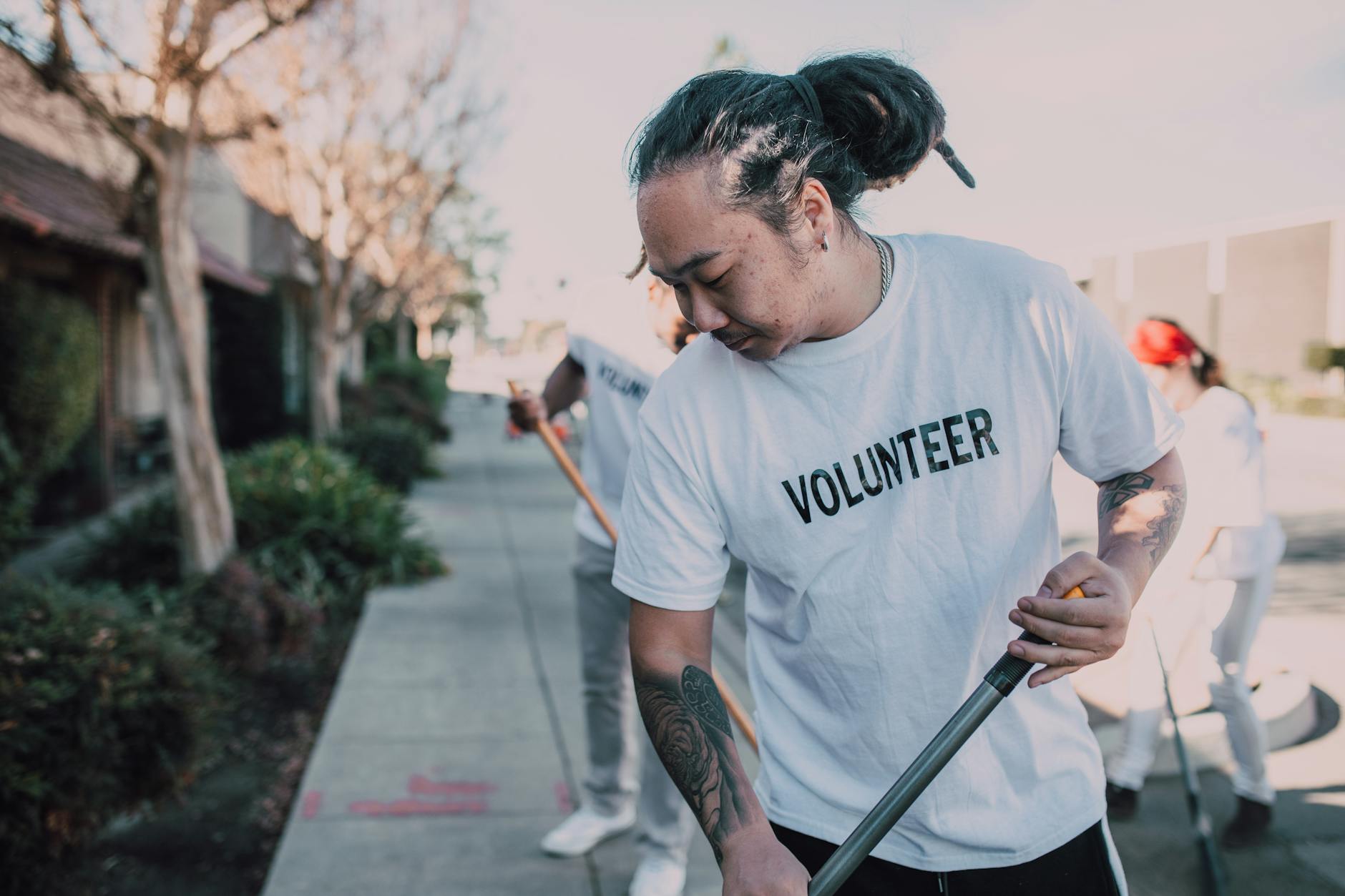
Whether you’re coordinating branded uniforms for a Canberra government department, organising custom tees for a school fundraiser in Tuggeranong, or sourcing event merch for a conference on the city’s north side, finding the right supplier for custom t-shirts in the ACT can feel surprisingly complex. The territory may be compact compared to Sydney or Melbourne, but its unique mix of public sector organisations, universities, embassies, and events industry means demand for quality branded apparel is consistently high — and the expectations that come with it are just as high. This guide walks you through everything you need to know: from choosing the right decoration method to managing turnaround times, understanding MOQs, and getting the most out of your budget.
Why Custom T-Shirts Are a Staple Across ACT Organisations
There’s a reason custom t-shirts remain one of the most ordered promotional products across Australia. They’re versatile, cost-effective, and highly visible. In the ACT context specifically, a few distinct sectors drive consistent demand.
Government departments and agencies regularly order branded t-shirts for community engagement days, volunteer programs, and internal team events. Universities like ANU and UC need custom apparel for orientation weeks, sports clubs, and student societies. Not-for-profit organisations — of which Canberra has a significant concentration due to its role as the nation’s capital — rely on affordable branded tees for campaigns, fundraisers, and awareness events. And of course, the territory’s active sporting community means clubs from the ACT Brumbies through to local community football and netball associations are regularly placing orders.
The point is: custom t-shirts in the ACT serve an enormous range of purposes. That diversity of need is exactly why understanding the ordering process thoroughly matters so much.
Choosing the Right Decoration Method for Your Custom T-Shirts
Before you approach any supplier, you need to understand which decoration method suits your brief. The most common options are screen printing, heat transfer, sublimation, and direct-to-garment (DTG) digital printing. Each has its strengths.
Screen Printing
Screen printing remains the gold standard for bulk custom t-shirt orders. If you’re ordering 50 or more shirts with a straightforward design — say, a two-colour logo for a Canberra community event — screen printing will typically give you the sharpest result at the lowest per-unit cost. Setup fees (for creating the screens) make it less economical for very small runs, but once those setup costs are absorbed into a larger quantity, the price per shirt drops considerably.
Heat Transfer and DTG Printing
For smaller runs or designs with complex gradients and photographic imagery, heat transfer vinyl (HTV) or direct-to-garment printing can be more suitable. DTG is particularly useful when you need short runs — sometimes as few as one or two pieces — without compromising on design complexity. The tradeoff is that per-unit costs remain relatively high regardless of quantity, and some DTG finishes may not hold up as well after repeated washing compared to screen-printed alternatives.
If you’re comparing these methods in detail, it’s worth reading our guide to UV printing for promotional products, which covers similar considerations around print durability and substrate compatibility.
Sublimation
Sublimation printing is ideal for fully custom, all-over designs on polyester fabrics. Sporting clubs often favour this method for jerseys and performance tees because it produces vibrant, permanent colours that won’t crack or peel. If you’re ordering for a sports team in the ACT, sublimation is worth exploring, though the garment must typically be at least 65–100% polyester for the results to be effective.
Understanding MOQs, Pricing, and Turnaround Times
One of the most common frustrations for first-time buyers is encountering minimum order quantities (MOQs) that don’t match their needs. Here’s a practical overview of what to expect.
Minimum Order Quantities
- Screen printing: MOQs typically start at 20–25 units per design and colour combination, though some suppliers offer lower minimums with higher per-unit pricing
- Heat transfer / DTG: Often no minimum, or as low as 1–5 units
- Sublimation: Usually 12–20 units minimum, depending on the supplier and garment complexity
For ACT-based resellers managing multiple client campaigns simultaneously, it’s often worth consolidating orders to hit better pricing tiers. A reseller juggling three small clients each wanting 15 shirts might find it more economical to place a single run of 45 with a shared colour palette, then manage distribution themselves.
Pricing Considerations
Pricing for custom t-shirts in Australia typically ranges from around $8–$15 per unit for screen-printed bulk orders, through to $20–$40 per unit for small-run DTG or sublimated pieces. Garment quality plays a significant role — a basic 180gsm cotton tee will cost less than a heavyweight ringspun cotton alternative, and organic or sustainably sourced garments command a premium.
If sustainability is a priority for your client — increasingly common for ACT government and NFP orders — take a look at our overview of organic cotton promotional items for sustainability-focused companies to understand what to look for and what to budget.
Turnaround Times
Standard turnaround for custom t-shirt orders in Australia runs at approximately 10–15 business days from artwork approval, including production and dispatch. For ACT orders, factor in 1–3 business days for delivery from interstate production facilities (most major suppliers operate from Sydney, Melbourne, or Brisbane). Rush orders with 5–7 business day production windows are available through many suppliers, but typically attract an express surcharge of 15–30%.
Always confirm turnaround before placing an order, especially for event-based deadlines. A Canberra charity walking event that needs 200 branded tees by a specific Saturday requires clear communication with your supplier from day one.
Artwork and File Requirements: Getting It Right the First Time
Poor artwork preparation is one of the leading causes of delays on custom apparel orders. Most suppliers require print-ready vector files — typically supplied as .ai, .eps, or high-resolution .pdf formats. Rasterised images (JPEG, PNG) are acceptable for DTG printing at 300dpi minimum, but will not produce clean results for screen printing.
For screen printing specifically, your artwork should be separated by colour. Each colour in your design typically incurs a separate setup fee, so simplifying a logo to two or three spot colours can meaningfully reduce your total cost. If your client is particular about brand colours, request PMS (Pantone Matching System) colour references upfront — this ensures consistency across production runs and avoids the common disappointment of a logo arriving in slightly the wrong shade of blue or green.
Managing client artwork across multiple projects? This is an area where resellers particularly benefit from having a clear brief template that captures file format, colour references, placement details, and garment sizing requirements before engaging a supplier. You can also explore our insights on e-commerce trends for promotional product ordering for smarter ways to manage the ordering and approvals process at scale.
Working With Suppliers: Key Questions to Ask
Not all promotional product suppliers are equal, and choosing the right production partner for ACT orders involves more than just comparing per-unit pricing. Here are the essential questions to ask before committing:
- What is your standard and rush turnaround from artwork approval?
- Do you offer a physical or digital proof before production begins?
- Can I order a pre-production sample, and what does it cost?
- What are your garment brands and available weights/styles?
- How do you handle reprints or quality issues?
- What are your payment terms for first-time orders?
On that last point, payment terms can significantly affect cash flow for resellers managing client funds. It’s worth understanding the typical structures on offer — our guide to payment terms and options for promotional product orders covers this in practical detail.
Custom T-Shirts Alongside Other Branded Products
If you’re sourcing custom t-shirts for an event or campaign, chances are you’ll also be looking at complementary merchandise. ACT conference and event organisers, for instance, often pair branded tees with name badges, tote bags, or power bank chargers for a cohesive attendee pack.
Marketing agencies working with ACT clients on product launches or team activation campaigns might also consider bundling apparel orders with broader merchandise kits. Take inspiration from our guide to promotional giveaways for networking events in Australia and our overview of prime promotional products across Australia to see how branded t-shirts fit into the wider merch ecosystem.
For seasonal corporate campaigns — particularly end-of-year gifting — branded corporate giveaways for the new year can incorporate custom apparel as part of a thoughtful gift package that goes beyond the typical pen and notebook.
It’s also worth noting that custom apparel needn’t stop at t-shirts. If your client’s brief extends to sports clubs or community associations, our guide to promotional AFL footballs with team logos illustrates how branded sporting goods complement apparel orders perfectly for clubs in the ACT region.
Tips Specifically for Resellers and Marketing Agencies
If you’re a reseller or agency sourcing custom t-shirts in the ACT on behalf of clients, here are a few practical tips to protect your margins and your reputation:
- Always build in a buffer on your quoted deadline. Quote your client a delivery date that’s 3–5 business days earlier than your supplier’s committed date. Production delays happen.
- Charge for artwork preparation separately if your client’s files aren’t print-ready. The cost of a designer reformatting a raster logo for screen printing is real and shouldn’t fall on you.
- Use supplier samples strategically. If a new client is spending $3,000+ on branded apparel, request a blank garment sample before committing to a style. This is especially important for premium or heavyweight tees.
- Understand embroidery as an upsell. For clients who want a more premium finish — government departments and professional services firms come to mind — embroidered polos or jackets alongside printed tees can significantly lift your average order value. Read our guide to embroidery services for promotional products in Sydney for context on this decoration method.
- Consider sustainable options proactively. ACT government and university clients are increasingly asking about sustainability credentials. Having an answer ready — or a sustainable alternative to offer — positions you as a knowledgeable partner rather than just an order-taker.
Conclusion: Key Takeaways for Ordering Custom T-Shirts in the ACT
Custom t-shirts in the ACT represent one of the most consistently in-demand products across government, education, sport, and events — and getting your ordering approach right makes all the difference between a smooth delivery and a costly delay.
Here are the key points to take away:
- Match your decoration method to your brief: screen printing for bulk runs with simple designs, DTG for short runs or complex artwork, sublimation for performance or all-over printed garments
- Plan for realistic turnaround times: 10–15 business days from artwork approval is standard; always build in buffer time for event-based deadlines
- Prepare print-ready artwork upfront: vector files and PMS colour references prevent delays and ensure colour accuracy on press
- Ask the right questions before committing to a supplier: turnaround, proof process, garment quality, and quality guarantee policies all matter
- For resellers and agencies, think beyond the single product: custom tees are often most effective — and most profitable — when ordered as part of a broader branded merchandise package
With the right preparation and a clear understanding of the process, sourcing quality custom t-shirts in the ACT doesn’t need to be complicated. It just needs to be approached with the same professionalism you’d bring to any other part of your client’s campaign.