
Custom Merchandise in Melbourne: The Complete Buying Guide for Businesses and Resellers
Discover how to source custom merchandise in Melbourne — from product selection and decoration methods to MOQs, budgets, and supplier tips.

Written by
Amelia Russo
Buying Guides & Tips
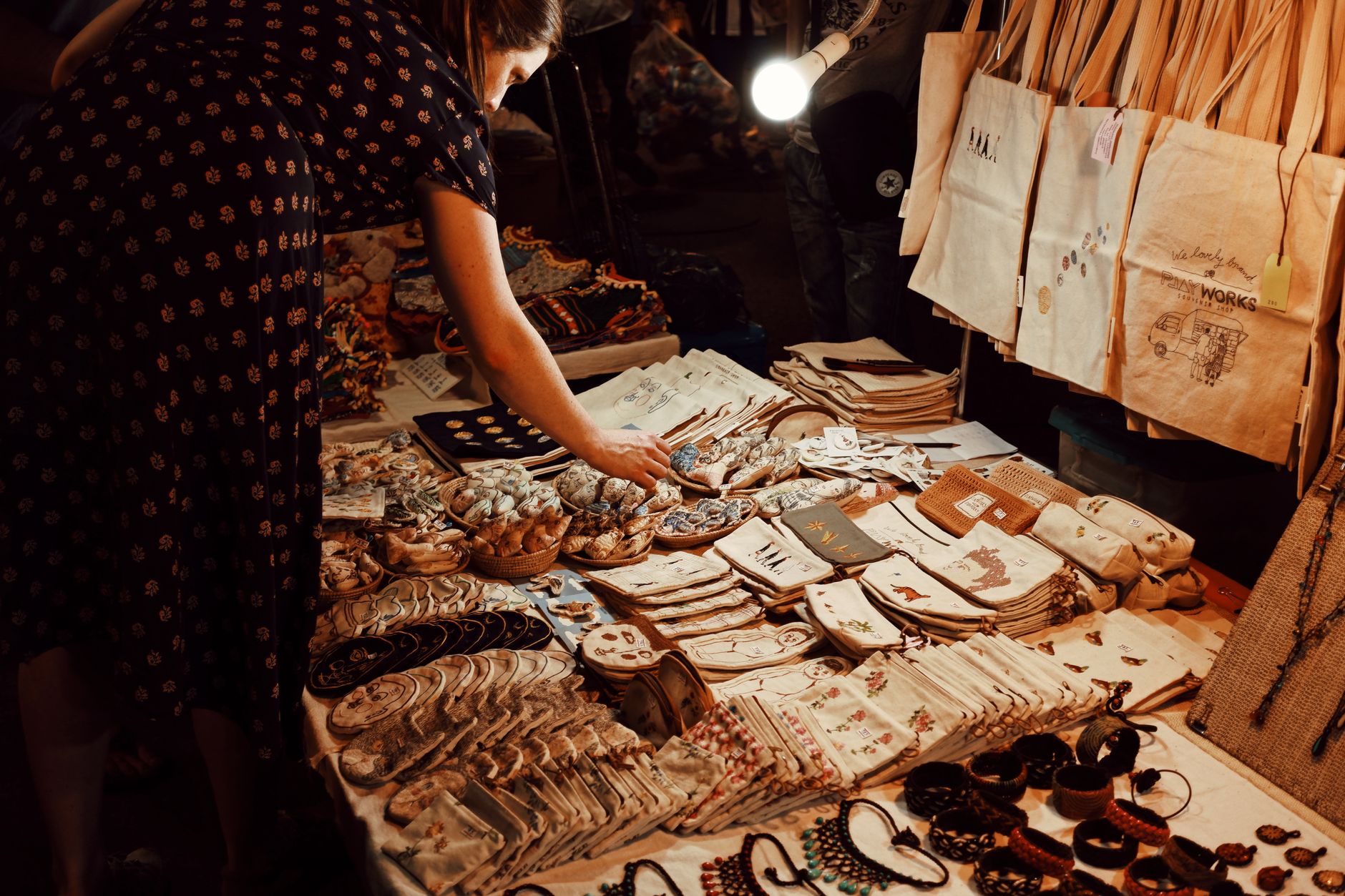
If you’re searching for custom merchandise in Melbourne, you already know the city is one of Australia’s most competitive and creative business markets. From Fitzroy startups launching their first branded tote bag to South Yarra marketing agencies coordinating merchandise for national campaigns, Melbourne businesses are ordering custom products at scale — and getting smarter about how they do it. Whether you’re a reseller sourcing stock for your clients, a business building brand awareness, or a marketing professional managing multiple campaigns simultaneously, understanding how the merchandise supply chain works will save you time, money, and more than a few headaches. This guide covers everything you need to know.
Why Melbourne Businesses Have Unique Merchandise Needs
Melbourne’s commercial landscape is genuinely diverse. You’ve got a thriving events and conference sector, a massive education precinct spanning universities, TAFEs, and secondary schools, a deep pool of corporate organisations in the CBD and Docklands, and an active startup community that cares as much about brand presentation as product quality.
This diversity means merchandise requirements vary enormously. A Richmond football club needs embroidered polo shirts with consistent PMS colour matching. A Carlton tech company launching a new product wants premium branded notebooks and power banks for their launch event. A not-for-profit in Collingwood needs eco-friendly reusable bags for a community fundraiser. Each scenario involves different products, different decoration methods, and different budget expectations — and suppliers need to be equipped to handle all of them.
There’s also a time pressure element that’s particularly acute in Melbourne. With major events like conferences, trade shows at the Melbourne Convention and Exhibition Centre, school formals, end-of-year functions, and AFL-season launches all converging on similar calendar windows, lead times can be tight. Planning your merchandise order well in advance is not just good practice here — it’s essential.
Understanding Product Categories for Custom Merchandise in Melbourne
Before you contact a supplier, it pays to get clear on what product category best suits your goals. Here’s a breakdown of the most commonly ordered merchandise across Melbourne businesses and how to think about each one.
Custom Apparel
Branded clothing remains the most popular merchandise category for good reason. It’s versatile, visible, and suitable for virtually every industry. Screen printing is the go-to decoration method for large runs on t-shirts and hoodies — it delivers vivid colour at a lower cost per unit when volumes are high. Embroidery is preferred for polo shirts, caps, and workwear where a more professional, textured finish is expected.
For businesses new to branding clothes, it’s worth understanding that the decoration method you choose affects both the final look and the minimum order quantity. Screen printing typically requires a minimum of 25–50 units per design and colour, while embroidery can sometimes accommodate smaller runs but with higher setup fees.
Drinkware
Branded drinkware is consistently one of the best-performing merchandise categories in terms of daily use and brand exposure. Water bottles, keep cups, and thermal mugs all make excellent corporate gifts and event giveaways. The key consideration here is material and decoration compatibility — stainless steel bottles are typically laser engraved or pad printed, while ceramic mugs suit sublimation or digital printing.
Understanding the cost of pad printing for promotional products is particularly useful when budgeting for drinkware campaigns. Pad printing tends to be cost-effective for one to two colour logos on curved surfaces, making it a popular choice for water bottles ordered in bulk.
Bags and Totes
From branded tote bags for retail customers to backpacks for corporate teams and cooler bags for outdoor events, the bag category offers strong shelf life. Melbourne’s café culture and outdoor lifestyle make reusable totes a natural fit, and eco-conscious brands often lean into this with recycled or organic cotton materials.
Cooler bags are particularly popular for client gifting, food and beverage brands, and events with an outdoor element. They’re premium enough to feel like a genuine gift while offering practical everyday value.
Tech Accessories
Power banks, USB drives, wireless chargers, and branded phone accessories are always in demand for corporate campaigns, conference packs, and trade show giveaways. These products tend to have a higher unit cost, so they work best when targeting a specific audience rather than mass distribution.
Stationery and Office Products
Branded notebooks, pens, and lanyards are event staples. They’re cost-effective, lightweight, and almost universally useful. Pad printing is the dominant method for pens, while notebooks often feature debossed or foil-stamped covers for a premium look.
Safety and Workwear
Melbourne’s construction, logistics, and manufacturing sectors create consistent demand for promotional safety signs for warehouse and logistics operations as well as branded hi-vis vests, hard hats, and workwear. These items require compliance with Australian safety standards, so always confirm specification details with your supplier.
Key Ordering Considerations for Custom Merchandise in Melbourne
Getting the product selection right is only half the job. Understanding the operational side of ordering will help you manage client expectations and avoid costly mistakes.
Minimum Order Quantities (MOQs)
MOQs vary significantly across product categories. Promotional pens can be ordered in quantities as low as 50–100 units, while premium tech accessories or custom apparel might require 25–50 units minimum. Eco-friendly or speciality items sometimes carry higher MOQs due to manufacturing processes. Always confirm MOQs before you begin the artwork process.
Turnaround Times
Standard production for most custom merchandise in Melbourne runs between 10 and 15 business days after artwork approval. Rush orders are often available but carry additional fees and are subject to production capacity. If you’re ordering for a specific event or deadline, build in at least three to five extra business days as a buffer — especially for December (Christmas corporate gifts) and February–March (back-to-school and conference season).
Artwork Requirements
Most suppliers require vector artwork in AI, EPS, or PDF format. Raster files like JPGs or PNGs can sometimes be used for digital printing but won’t be suitable for embroidery, screen printing, or laser engraving. If you’re working with a client who only has low-resolution logos, factor in artwork setup time and costs upfront.
Setup Fees
Setup fees are charged to prepare your artwork for each specific decoration method — screen printing screens, embroidery digitising, and engraving templates all require initial setup. These fees are typically charged once per order and are not repeated on reorders. For small runs, setup fees can significantly affect your cost per unit, which is why higher volumes generally offer better value.
PMS Colour Matching
For branded merchandise where colour accuracy matters — particularly for well-known corporate brands — PMS (Pantone Matching System) colour matching ensures consistency across different products and suppliers. Not all decoration methods support exact PMS matching, so confirm this with your supplier when placing orders for brand-sensitive clients.
Seasonal and Niche Merchandise Opportunities in Melbourne
Melbourne’s event calendar creates predictable peaks in merchandise demand, and smart resellers and businesses plan accordingly.
Easter and seasonal promotions are a great example. Branded promotional fruit boxes for Easter promotions in Australia offer a fresh, food-focused alternative to traditional chocolate gifts — particularly popular with health-conscious corporate clients looking for something different.
Conference and expo season (typically March–May and August–October) drives demand for lanyards, branded bags, notebooks, and tech accessories. Ordering conference packs as a bundle typically offers better value than sourcing each item separately.
School and education sector merchandise peaks around the start of the academic year. A Melbourne primary school might order custom sport day t-shirts for their whole student body, requiring careful sizing coordination and a tight turnaround from supplier to school.
Sporting club merchandise is a significant segment in Melbourne — unsurprisingly for one of Australia’s most sport-obsessed cities. Clubs from Essendon to Footscray routinely order team polos, supporter caps, and custom beanies.
Working Effectively with Suppliers as a Reseller or Agency
If you’re a reseller or marketing agency sourcing custom merchandise on behalf of clients, there are a few additional layers to navigate.
Maintain clear brief documentation. When briefing a supplier, include the product category, quantity, required colours (with PMS codes), decoration method, artwork files, delivery address, and required-by date. A well-structured brief reduces back-and-forth and speeds up the approval process.
Request physical samples where possible. For large or high-value orders, always request a pre-production sample before full production begins. This is particularly important for custom apparel where sizing and colour accuracy are critical.
Understand your client’s brand guidelines. Clients with strong brand governance will have specific rules around logo placement, colour use, and approved fonts. Make sure you’re applying these consistently across all merchandise categories.
Plan for proof approval time. Most suppliers provide a digital proof before production begins. Factor in two to three days for client review and approval — sometimes longer if multiple stakeholders need to sign off.
Conclusion: Getting Custom Merchandise in Melbourne Right
Melbourne is a dynamic market with genuinely high expectations around brand quality and product presentation. Whether you’re coordinating merchandise for a CBD corporate launch, sourcing branded gear for a Geelong sporting club, or building a merchandise reseller business that serves clients across Victoria, the fundamentals remain the same: choose the right products for your audience, understand your decoration options, plan your timeline, and work with suppliers who understand the Australian market.
Here are the key takeaways to keep in mind:
- Plan early. Turnaround times of 10–15 business days are standard — seasonal peaks and event deadlines demand even more lead time.
- Match your decoration method to your product. Screen printing, embroidery, pad printing, and laser engraving all serve different purposes and price points. Research before you commit.
- MOQs and setup fees affect your cost per unit. Larger volumes almost always deliver better value, but make sure your client’s order size justifies the investment.
- Artwork quality matters. Always supply vector files where possible, and confirm colour specifications with PMS codes for brand-sensitive projects.
- Seasonal and niche opportunities are real. Aligning merchandise campaigns to the Melbourne event calendar — whether that’s Easter gifting, conference season, or school sport days — gives your clients better return on their branded merchandise investment.