
Branding Clothes: The Complete Australian Guide to Custom Apparel for Businesses
Learn everything about branding clothes in Australia — decoration methods, product selection, MOQs, and tips for getting the best results.

Written by
Ryan Gallagher
Custom Apparel
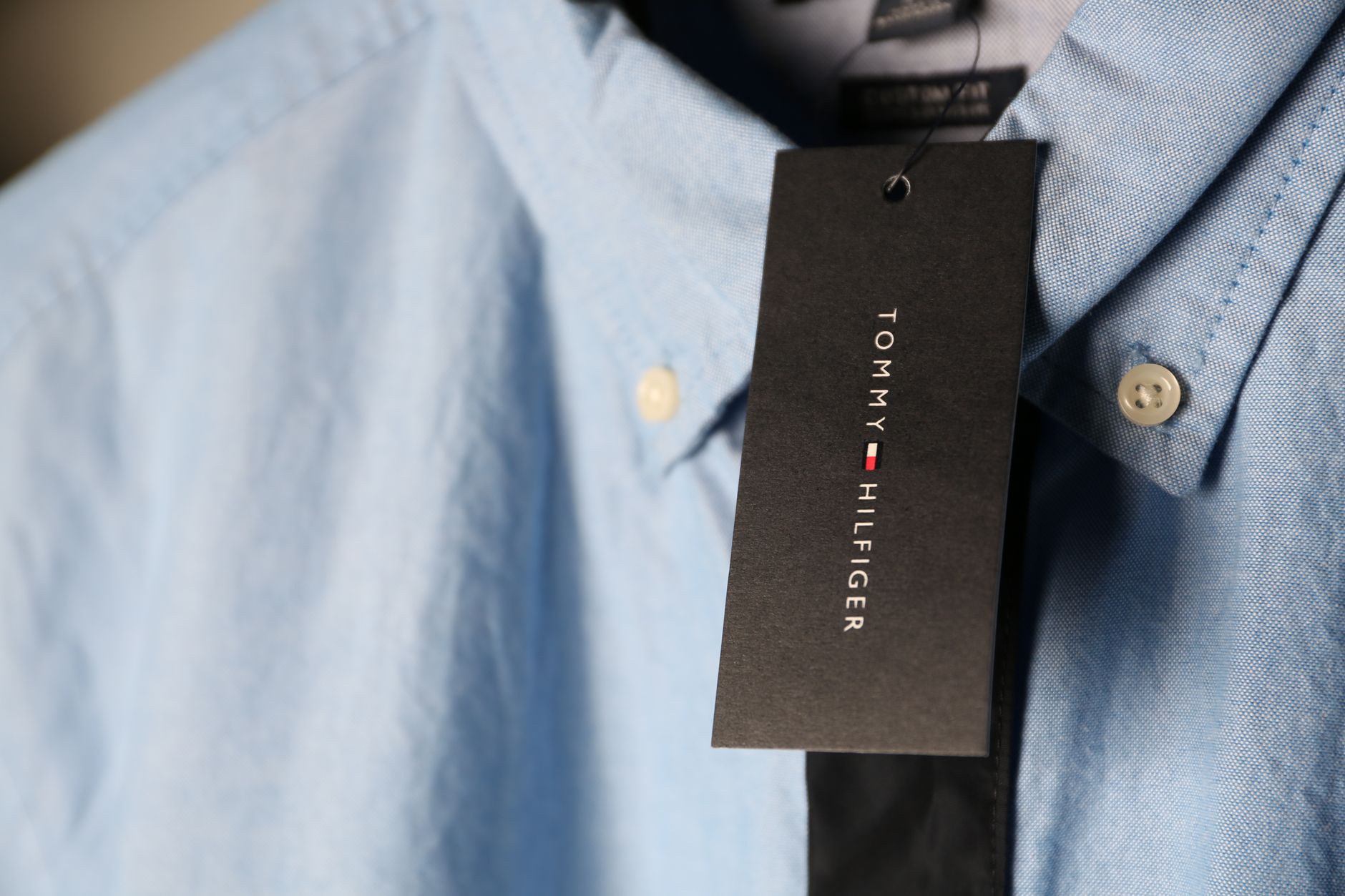
Branding clothes is one of the most powerful ways an Australian business, marketing agency, or reseller can build visible, lasting brand awareness. Unlike a flyer that gets tossed or a digital ad that disappears, a well-branded garment walks around — in offices, at events, on job sites, and in the community — putting your client’s logo in front of new eyes every single day. Whether you’re sourcing custom workwear for a Brisbane construction company, putting together team polos for a Sydney real estate agency, or creating merchandise for a Melbourne conference, understanding how clothing branding actually works is the difference between a result that impresses and one that disappoints.
This guide covers everything you need to know: decoration methods, product selection, artwork preparation, minimum order quantities, and how to manage the process like a pro.
Why Branding Clothes Still Delivers Exceptional ROI
In an era where brands are competing for attention across every digital platform imaginable, physical branded apparel cuts through the noise in a way that screens simply can’t replicate. Research consistently shows that promotional products — particularly wearables — generate significantly more brand impressions per dollar than traditional advertising formats.
Think about a uniformed team at a trade show expo in Melbourne. Every person wearing a branded polo or embroidered cap becomes a walking advertisement. Compare that to running a display ad that users scroll past in milliseconds. The tangible, wearable nature of branded garments creates a sense of trust, professionalism, and cohesion that digital formats struggle to replicate.
For resellers and marketing agencies, this represents an important opportunity. Branded apparel is a high-perceived-value product that clients return to time and again — especially when the quality is right and the experience is smooth. Understanding the full picture of how branding clothes works helps you position yourself as a knowledgeable, reliable partner.
Choosing the Right Decoration Method for Your Garments
Perhaps the most critical decision in any clothing branding project is selecting the right decoration method. The wrong choice can result in logos that crack, fade, or look unprofessional — while the right method will keep garments looking sharp wash after wash. Here’s a breakdown of the most common options used by Australian suppliers.
Embroidery
Embroidery is the gold standard for corporate and professional apparel. Logos are stitched directly into the fabric using thread, creating a textured, premium finish that holds up exceptionally well over time. It’s ideal for polo shirts, caps, workwear jackets, and staff uniforms.
The main consideration is complexity — highly detailed logos with very fine lines or gradients can be difficult to reproduce accurately in thread. Most suppliers will create a digital “digitised” file of your artwork before production, so you can check how it will look. Embroidery works beautifully on thicker fabrics like pique polo shirts, fleece, and structured caps.
Screen Printing
Screen printing is the workhorse of the apparel branding world. Ink is pushed through a mesh screen onto the fabric, producing vibrant, durable prints at a cost-effective price point — especially for larger runs. It’s the go-to method for custom t-shirts, event merchandise, and promotional apparel where bold colours and crisp logos are the priority.
Screen printing does involve setup fees per colour, which is why it tends to become more economical at higher quantities (typically 50 units and above). For multicolour designs, each colour requires a separate screen, so keeping artwork to 3–4 colours helps manage costs. If you’re curious about how it stacks up against embroidery, our guide to screen printing vs embroidery for branded apparel walks through the decision in detail.
Heat Transfer and DTG (Direct-to-Garment) Printing
Heat transfer and digital printing methods have made significant advances and are now viable options for short runs, complex multicolour artwork, or photographic designs. Direct-to-garment (DTG) printing essentially works like an inkjet printer on fabric, making it ideal for small quantities where screen printing setup costs would be prohibitive.
For resellers managing smaller client orders or one-off requests, DTG can be a smart solution. Turnaround times are generally faster, and there’s no minimum order quantity in most cases. That said, colours can appear slightly less vibrant on dark fabrics unless a white base is applied first.
Sublimation Printing
Sublimation is a dye-based process where heat converts ink into a gas that bonds with polyester fibres. The result is a full-colour, all-over print that feels like part of the fabric rather than sitting on top of it. It’s incredibly popular for sports teams, event merchandise, and performance apparel. The key limitation is that sublimation only works effectively on white or very light-coloured polyester garments.
Laser Engraving and Debossing
While less common on standard fabric garments, laser engraving and debossing are worth knowing about for accessories like leather patches on caps or premium jacket labels. Some suppliers offer laser engraving on faux leather tags sewn onto garments, which creates a sophisticated finish for premium uniform programs.
Selecting the Right Garments for Your Branding Project
Once you’ve identified the decoration method, selecting the right garment is the next major step. There are a few key questions to ask upfront.
What’s the end use?
Corporate offices in Sydney typically want classic polo shirts in neutral brand colours. A Gold Coast outdoor events company might need lightweight performance tees or rashies. A Darwin construction firm will almost certainly require AS/NZS 1906.4 compliant hi-vis workwear. The intended use environment dramatically shapes the garment choice. Our guide to branded hi-vis workwear and safety apparel is a useful resource for anyone working with trade and industrial clients.
What fabric works best?
Cotton is breathable and popular for casual and promotional tees. Cotton-poly blends offer better shape retention and are more cost-effective. Performance fabrics like polyester moisture-wicking materials are ideal for sport and outdoor use. For premium corporate programs, look at brands that offer pique cotton, merino wool, or premium cotton-modal blends.
What about sizing and colour consistency?
This is where agencies and resellers need to be particularly diligent. Garment sizing can vary significantly between product lines, so always recommend that end clients review size charts carefully. When ordering across multiple colour variants, confirm with your supplier that colours are PMS-matched or at least consistent across batches. Our overview of PMS colour matching in promotional products explains how this works in practice.
Understanding MOQs, Pricing, and Turnaround Times
One of the most common challenges in branding clothes projects is managing client expectations around minimums, lead times, and costs.
Minimum order quantities (MOQs): Screen printed garments typically require a minimum of 12–25 units for smaller suppliers and 50+ units for large-scale manufacturers. Embroidery MOQs are often lower — sometimes as few as 6–12 pieces. DTG printing can work with no minimum at all, though the unit cost is higher. Our breakdown of MOQs for promotional products in Australia gives a helpful overview if you’re newer to this space.
Pricing tiers: Bulk pricing is standard across the industry. The per-unit cost drops significantly as quantity increases. For example, 12 embroidered polo shirts might cost $45–$55 each, while the same shirt at 100 units could come down to $28–$38 depending on supplier and garment quality.
Turnaround times: Standard production turnaround for branded apparel in Australia is typically 10–15 business days after artwork approval. Rush orders may be available for an additional fee, but this varies by supplier and decoration method. Factor in public holidays — particularly around Christmas and Easter — when planning project timelines. If you’re working with tight deadlines, our article on fast turnaround promotional products in Australia has useful guidance.
Artwork Preparation: Getting Your Files Right
Artwork issues are responsible for a significant portion of project delays. Preparing files correctly from the start saves time, avoids costly reprints, and keeps your client relationships intact.
Most suppliers require vector artwork files (AI, EPS, or PDF with outlines) for embroidery and screen printing. Raster files like JPEGs or PNGs are generally not suitable unless they are very high resolution (300 dpi minimum at print size). Our artwork preparation guide for promotional products covers the specifics in detail.
For embroidery, your supplier will create a digitised file from your artwork — a process that converts the design into stitch instructions. Always request a stitch-out proof or at minimum a digital embroidery preview before approving full production. For screen printing, ask for a print-ready proof showing the artwork on the garment mockup with dimensions clearly indicated.
Tips for Resellers and Marketing Agencies
If you’re sourcing branding clothes on behalf of clients, a few additional considerations apply.
- Sample ordering: Whenever the budget and timeline allow, order a pre-production sample before committing to a full run. This is particularly important for embroidery and screen printing where colour accuracy and positioning matter.
- Margin management: Understand your supplier’s pricing tiers and build your reseller margin in from the start. Don’t forget to account for artwork setup fees, freight, and any sample costs in your quote.
- Client education: Many clients underestimate how much lead time branded apparel requires. Set realistic expectations upfront — particularly for large uniform programs or event merchandise with a fixed date.
- Consolidate orders: Where possible, consolidate multiple garment types into a single order from one supplier. This simplifies logistics and can unlock better pricing. Our guide to choosing a promotional products supplier in Australia covers what to look for when evaluating suppliers.
For agencies managing ongoing client programs, establishing a preferred supplier relationship with clear account terms can significantly streamline repeat orders. You might also explore our overview of corporate uniform programs and how to manage them for larger ongoing apparel projects.
Eco-Friendly Options for Branded Apparel
Sustainability is increasingly front of mind for Australian businesses. Many organisations — particularly in government, education, and the not-for-profit sector — are actively seeking eco-conscious branded merchandise. Fortunately, the range of sustainable apparel options has expanded considerably.
Look for garments made from organic cotton, recycled polyester (rPET), or bamboo fabric. Some suppliers now offer certified Fair Trade or GOTS (Global Organic Textile Standard) certified apparel lines. For agencies pitching to sustainability-conscious clients, being able to confidently recommend these options is a genuine competitive advantage. Our guide to eco-friendly promotional products in Australia explores this category in more depth.
Conclusion: Key Takeaways for Branding Clothes in Australia
Branding clothes remains one of the most effective and versatile promotional tools available to Australian businesses and the agencies that serve them. Done well, it creates lasting brand impressions, builds team culture, and delivers genuine value for clients. Done poorly, it wastes budget and erodes trust.
Here are the key things to take away from this guide:
- Choose the right decoration method for the garment, the artwork, and the end use — embroidery for professional applications, screen printing for volume and impact, DTG for small runs with complex designs.
- Understand MOQs and pricing tiers before quoting clients, and factor in setup fees, freight, and sample costs.
- Prepare artwork correctly — vector files, correct colour formats, and adequate resolution are non-negotiable for professional results.
- Allow realistic lead times — standard turnaround is 10–15 business days after artwork approval; plan around holidays and peak periods.
- Consider sustainability — eco-friendly garments are increasingly in demand and can differentiate your offering in competitive pitches.
Whether you’re helping a Hobart café kit out its front-of-house team or managing a national uniform rollout for a Perth-based corporate client, getting the fundamentals of clothing branding right is what separates a great result from a costly headache.